
Getting to know Gion
Gion developed around Yasaka Shrine in eastern Kyoto. Its tea houses, restaurants, shops and traditional streets sit alongside the working world of geiko and maiko. It rewards a visit that looks beyond a photograph: a shrine, a temple garden and a guided explanation each reveal a different part of the neighbourhood. Start by deciding whether you want an introduction to the streets or a reserved cultural activity.
Hanamikoji and the Shirakawa area offer contrasting streetscapes, while Kennin-ji adds Zen gardens and painted interiors. Across the Kamo River, Pontocho is a separate entertainment district. Use the sights guide to choose your stops and the walking tours guide to compare ways of exploring with a guide. For a more focused cultural route, there are also private tours.
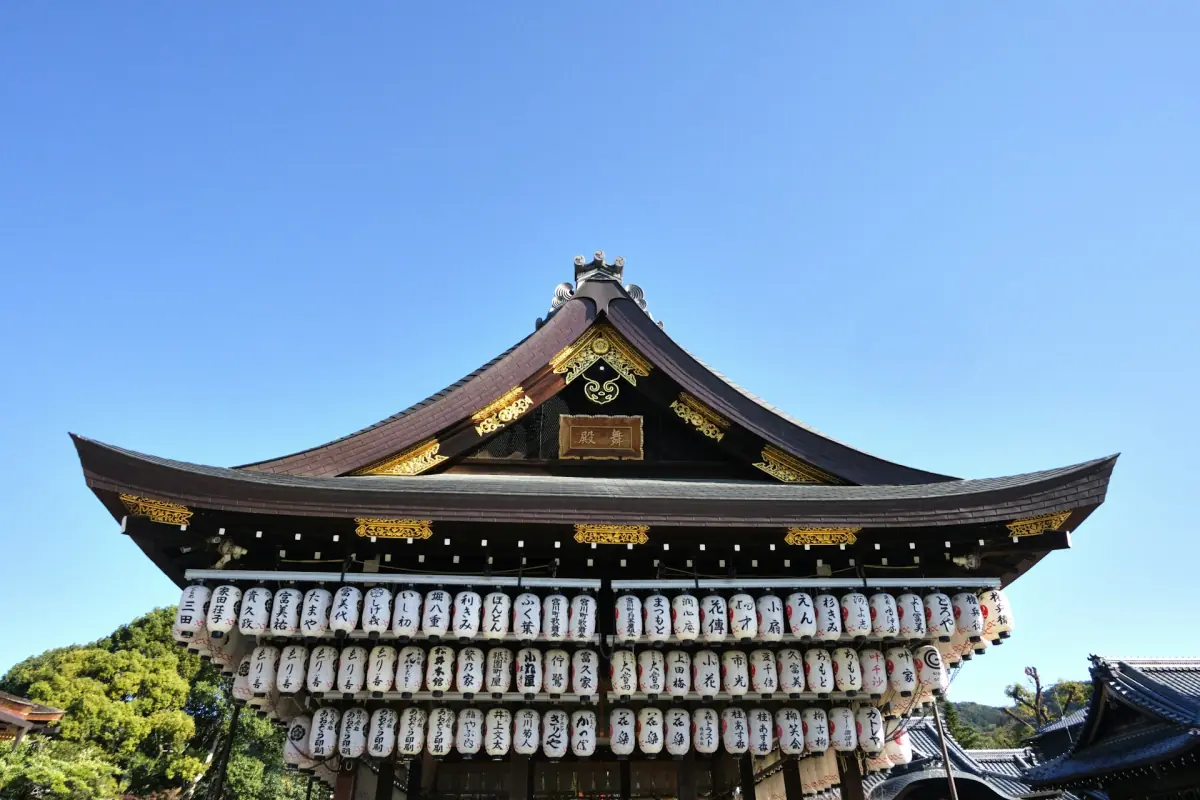
Gion experiences
Choose an evening walk, tea, a geisha meeting or a food tour.
Hand-picked tours, booked through GetYourGuide. Prices are indicative starting prices in US dollars (as of October 2026). Tap a tour for live availability and the current price in your currency.
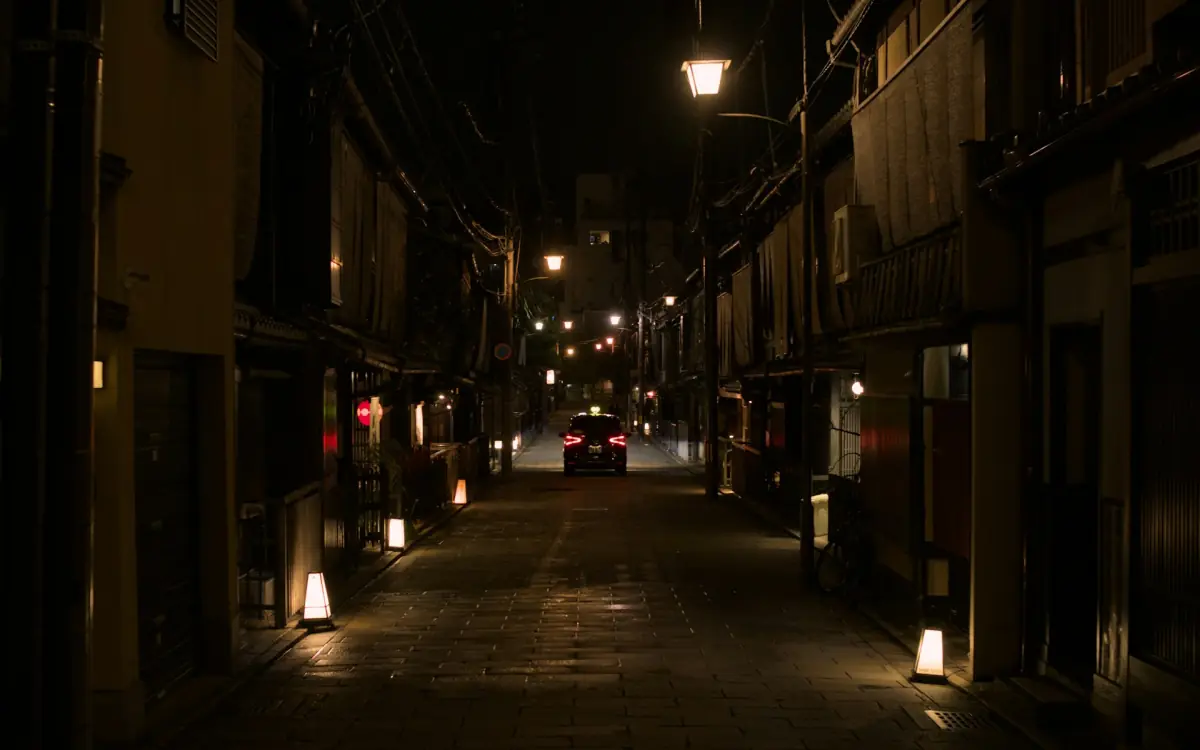
Walk and geisha meeting
- Geisha District walking tour
- Geisha meeting and performance
Lunch, tea or dinner depends on the option selected.
Check availability →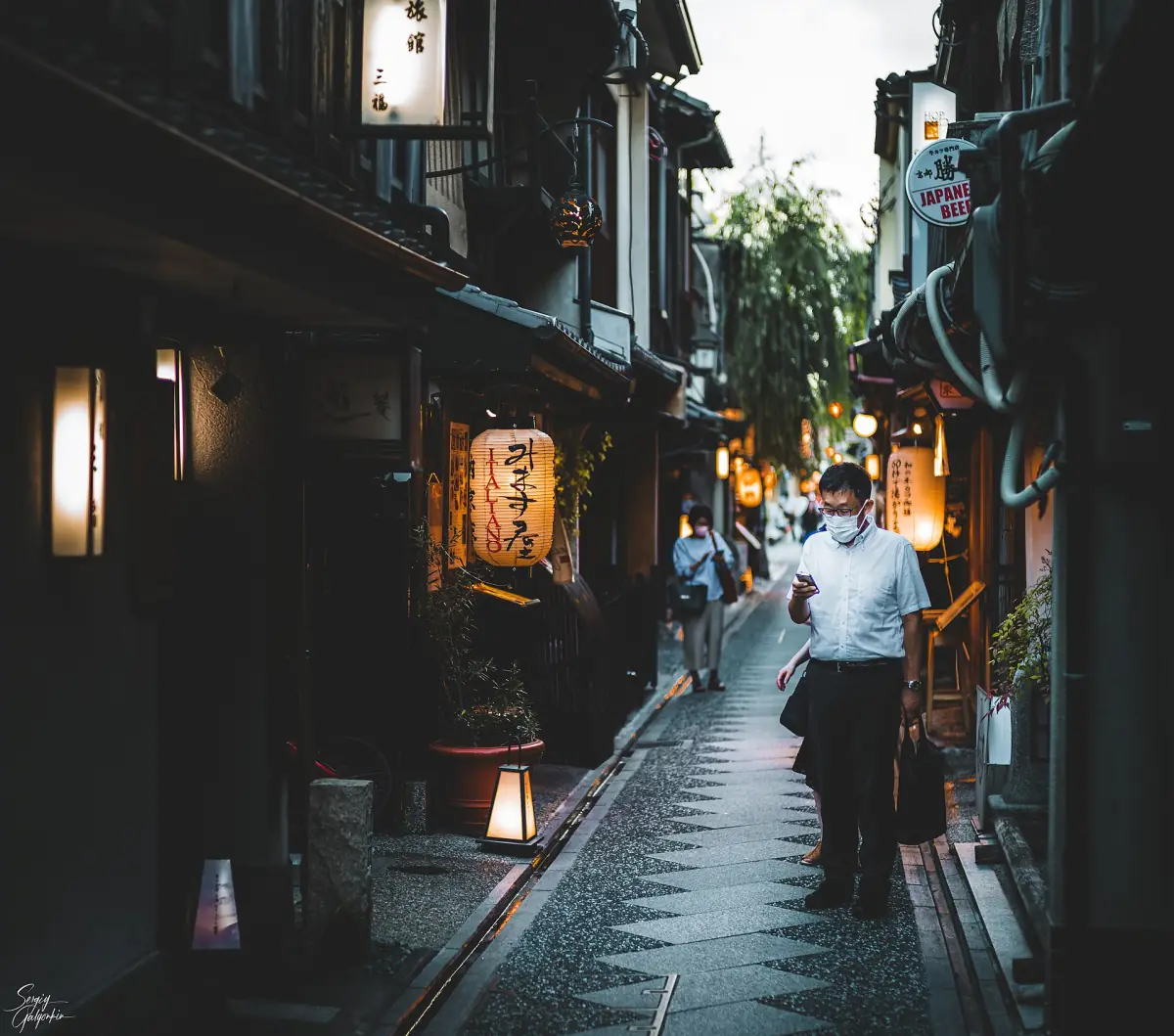
Gion food walk
- 13 Japanese dishes at 4 eateries
- 2 complimentary drinks
Visit four eateries with an English-speaking guide.
Check availability →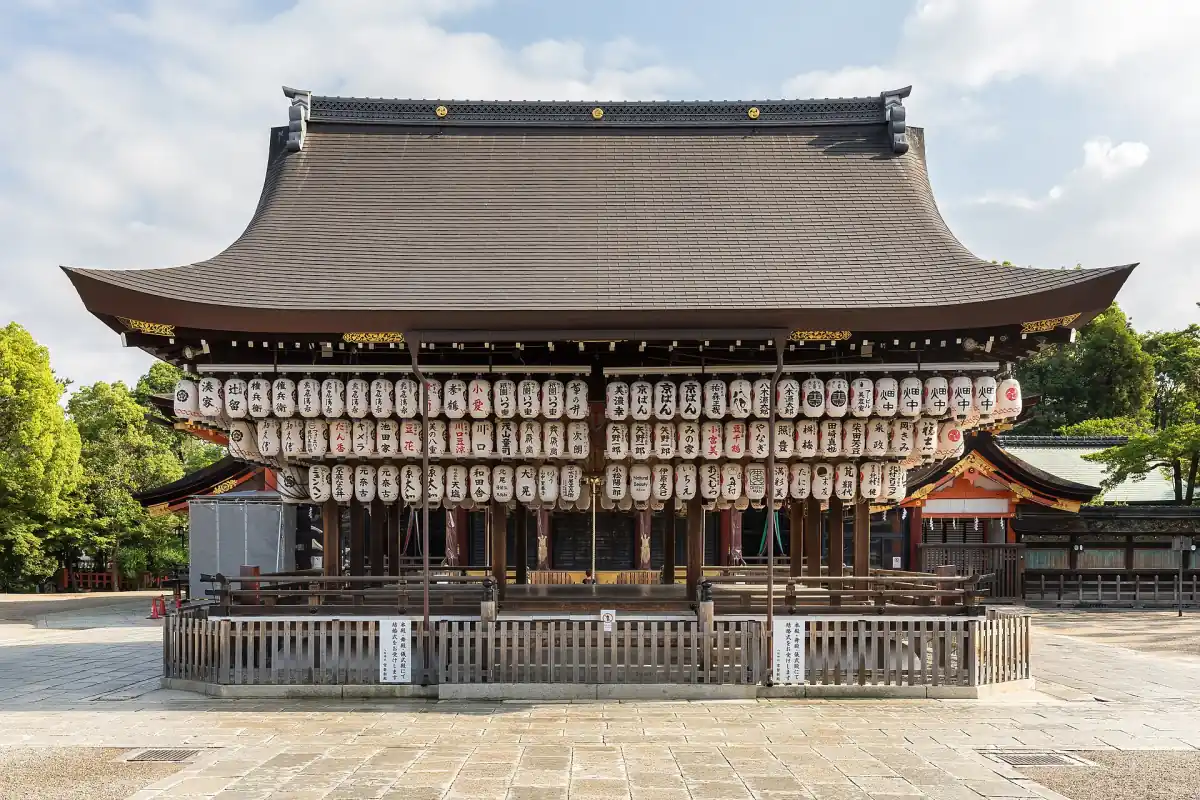
Kimono and tea experience
- Kimono Set Rental
- Snacks (Wagashi & matcha)
- Hairstyling (simple style)
Calligraphy is included only with the relevant option.
Check availability →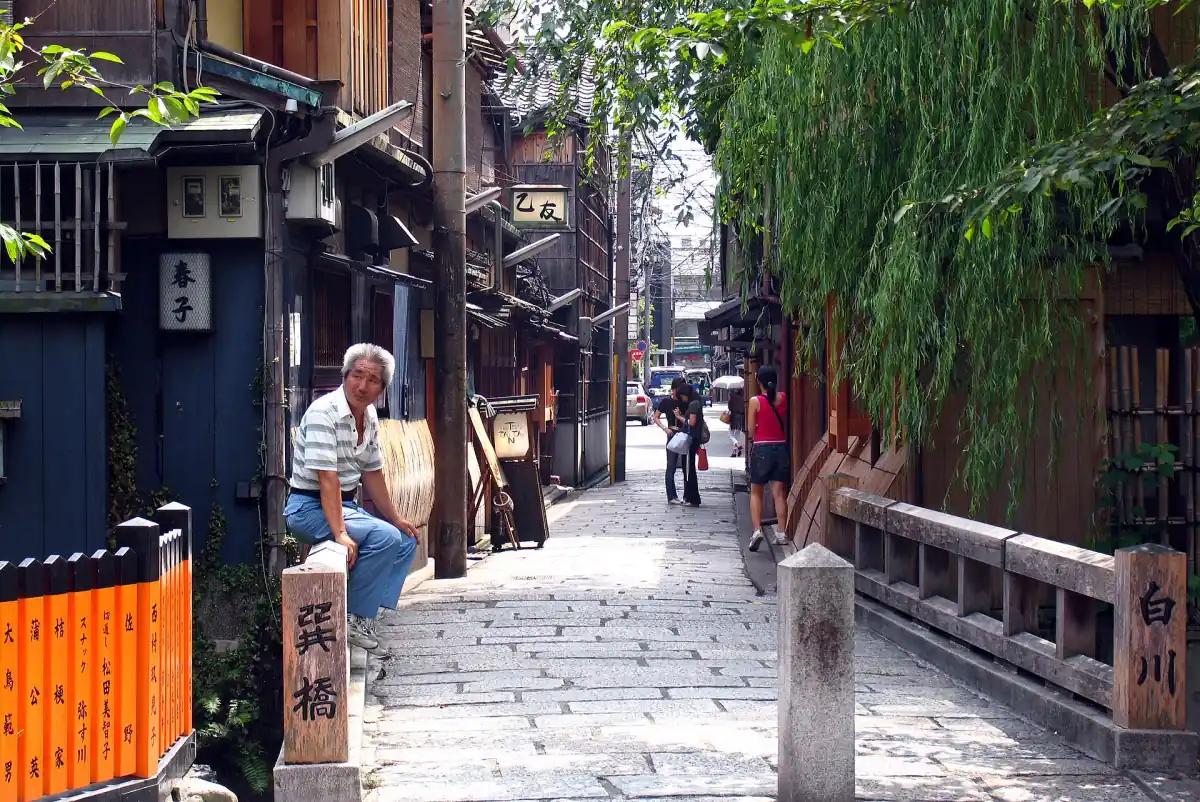
Gion evening walk
- Guide
- Photography service
Arrive at the booked meeting point before the start.
Check availability →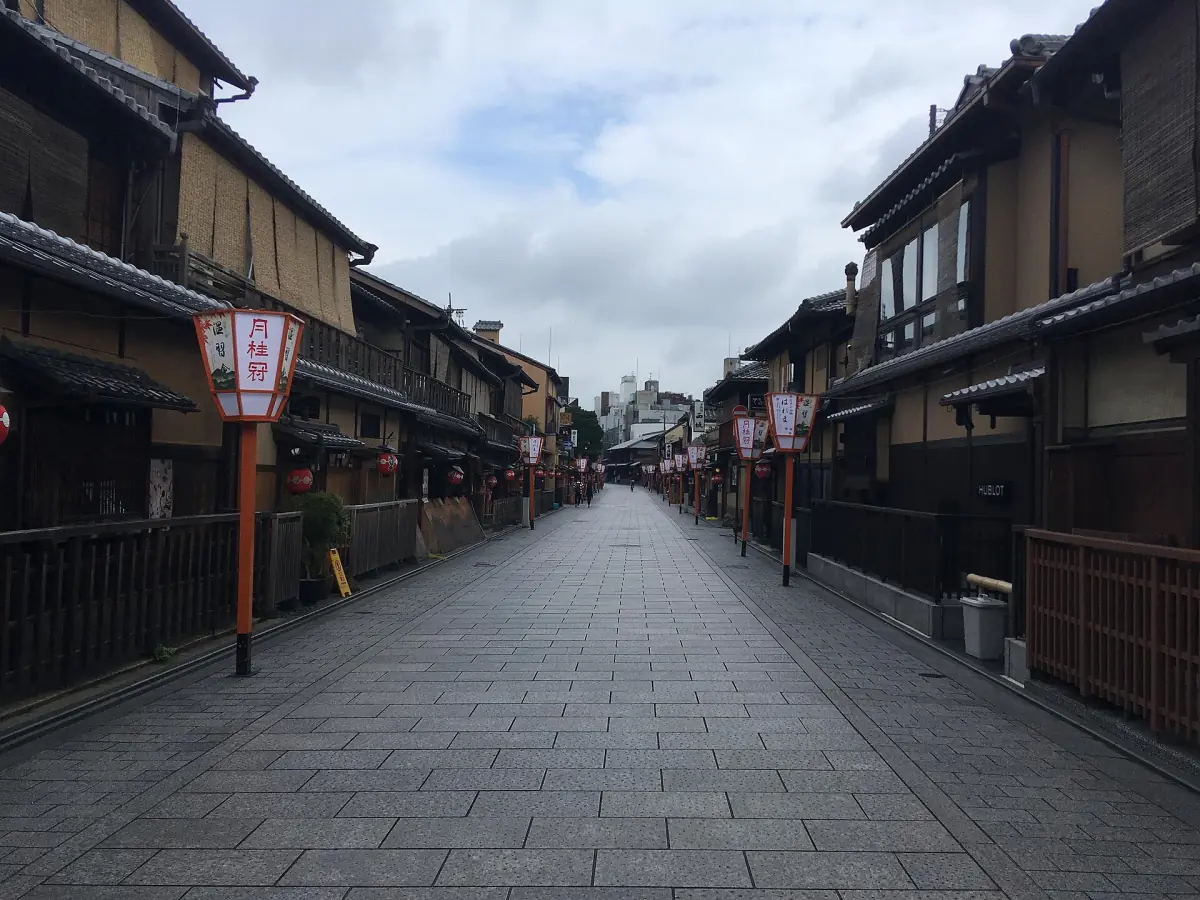
Gion culture walk
- History of Gion
- Help taking photos
Geiko or maiko sightings are possible, not guaranteed. Arrive ten minutes early.
Check availability →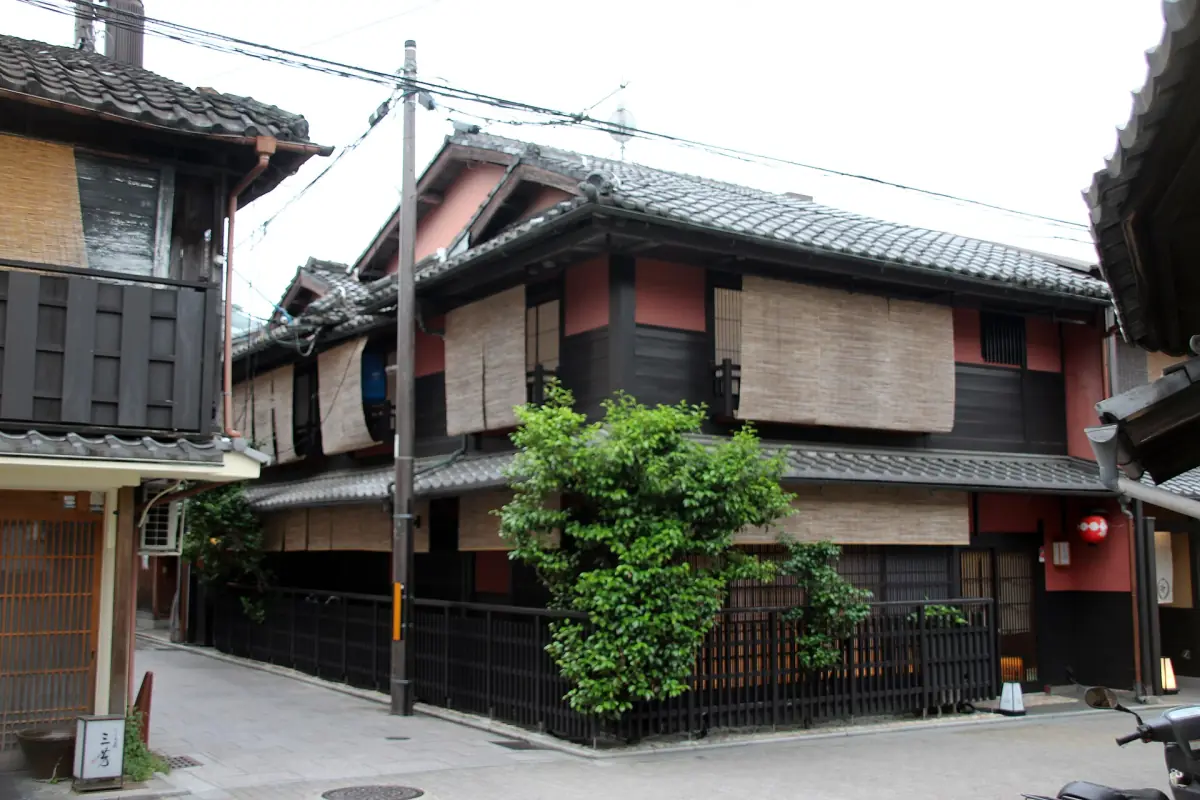
Gion with a local guide
- English- or Spanish-speaking guide
The guide speaks English or Spanish; group and private options are available.
Check availability →Walking, tea and performances in Gion
Choose between a guided neighbourhood walk, kimono and matcha, a booked cultural performance and a food experience.
Explore Gion by subject
Gion Walking Tour: Guided Walks and Culture
Meeting points, languages and cultural walking formats.
Gion Private Tours: Culture, Temples and Night Walks
Compare temple art, historical routes and private evening walks.
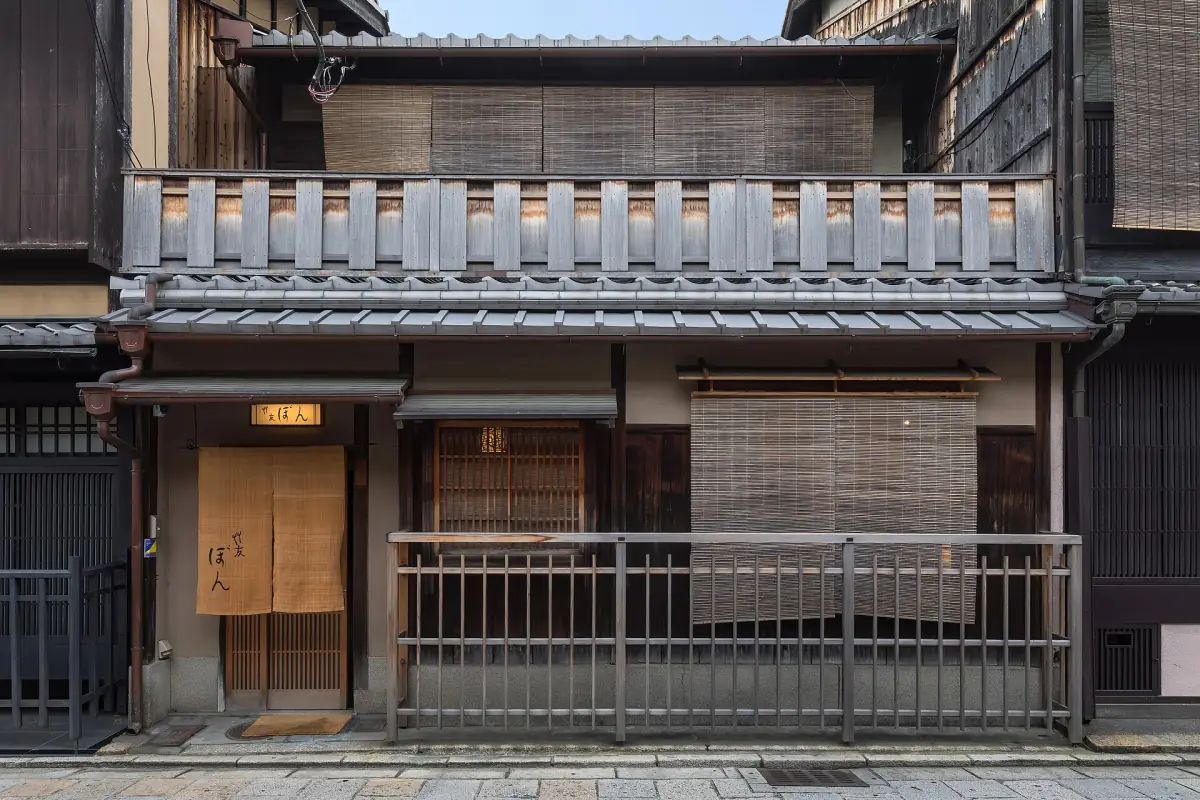
Gion History: Culture and Guided Walks
Shrine origins, tea houses and living cultural traditions.
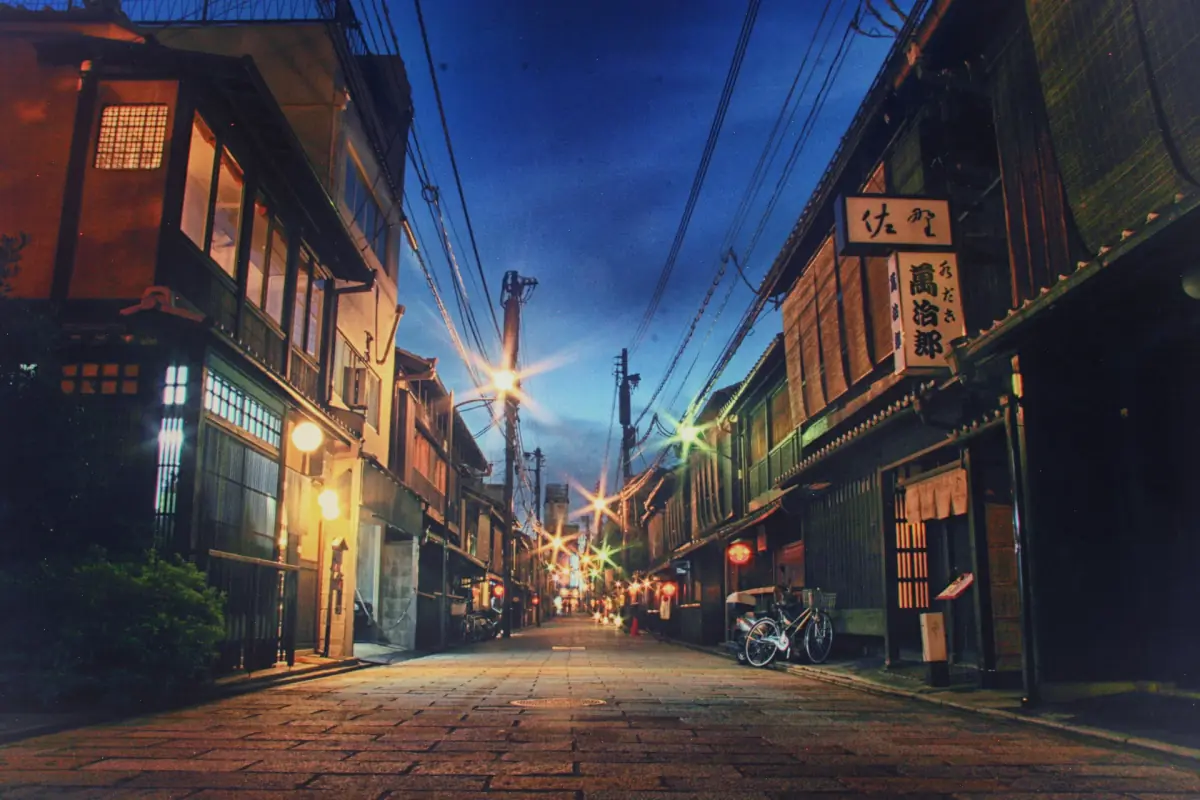
Gion at Night: Guided Walks and Evening Culture
Street walks after sunset and the difference from booked shows.
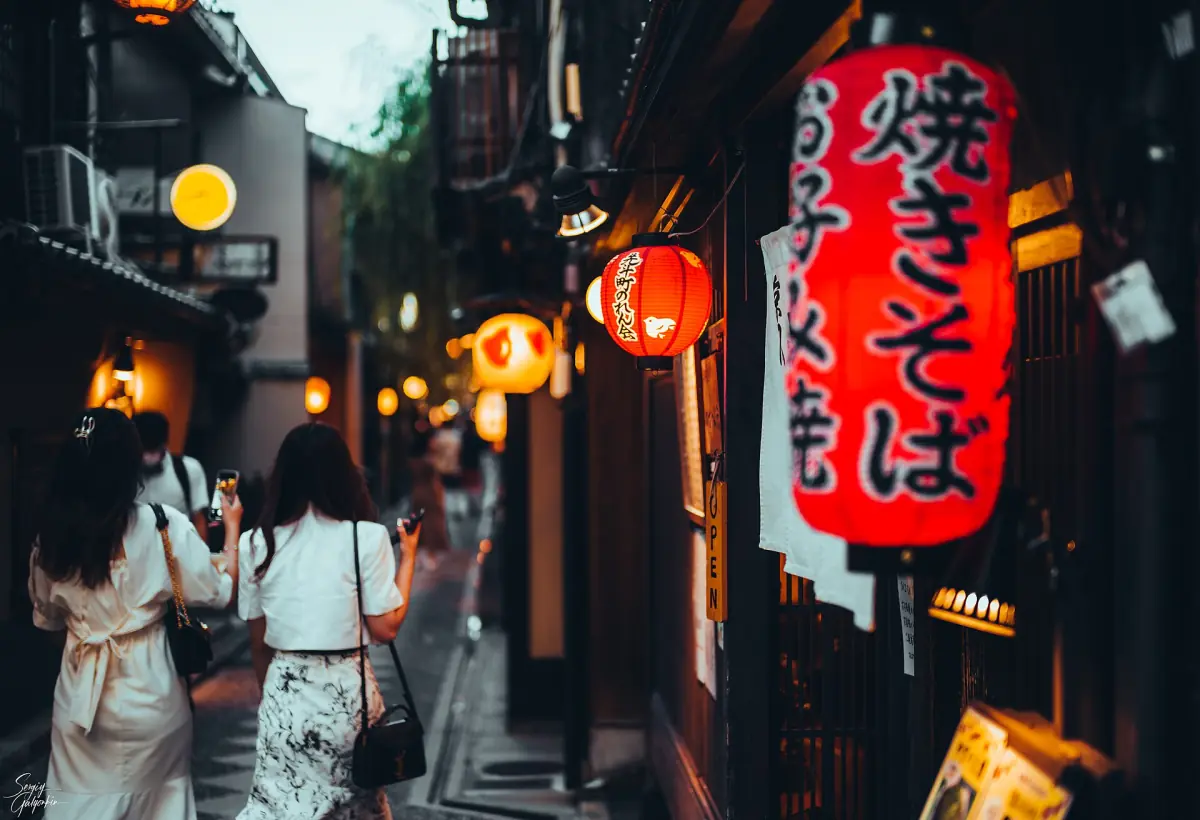
Gion Restaurants: Food Tours, Dishes and Pontocho
Dishes, drinks and guided tasting experiences.
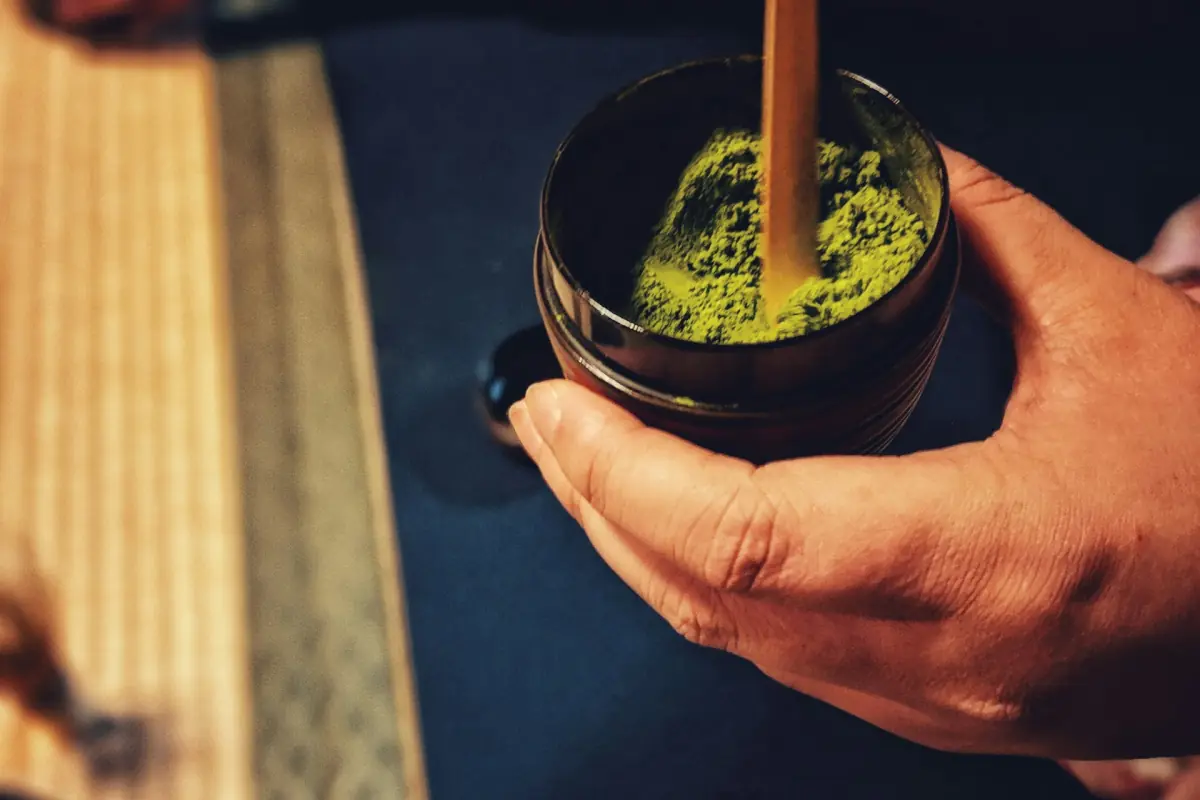
Tea Ceremony Kyoto: Gion Tea and Kimono Experiences
Matcha, wagashi and kimono options explained.
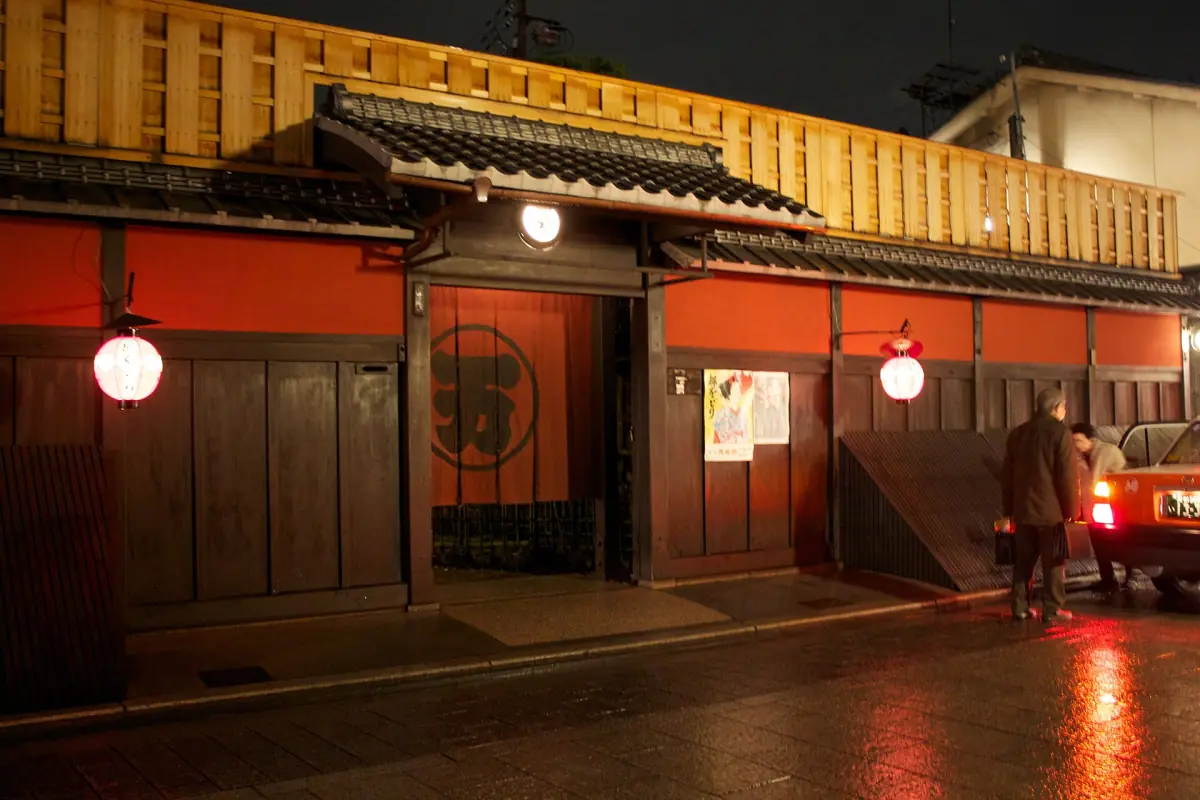
Gion Show: Geiko, Maiko and Cultural Performances
Booked cultural programmes, Gion Corner and the museum.
Things to Do in Gion: Sights, Culture and Walking Routes
Choose streets, gardens and religious visits.
Hanamikoji Street and Gion Shirakawa: Walking and Etiquette
Hanamikoji, Shirakawa and respectful photography.
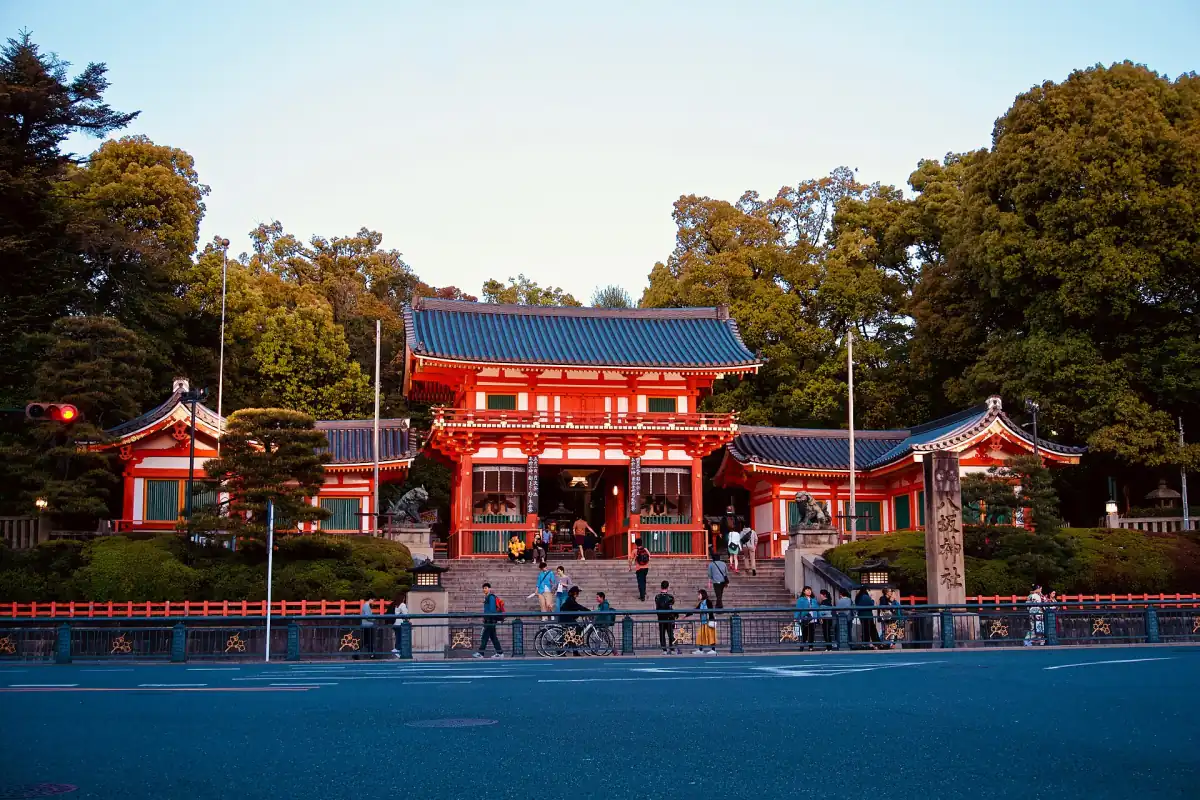
Yasaka Shrine: Visiting Hours, Access and Gion Etiquette
Worship, office hours and access to Yasaka.
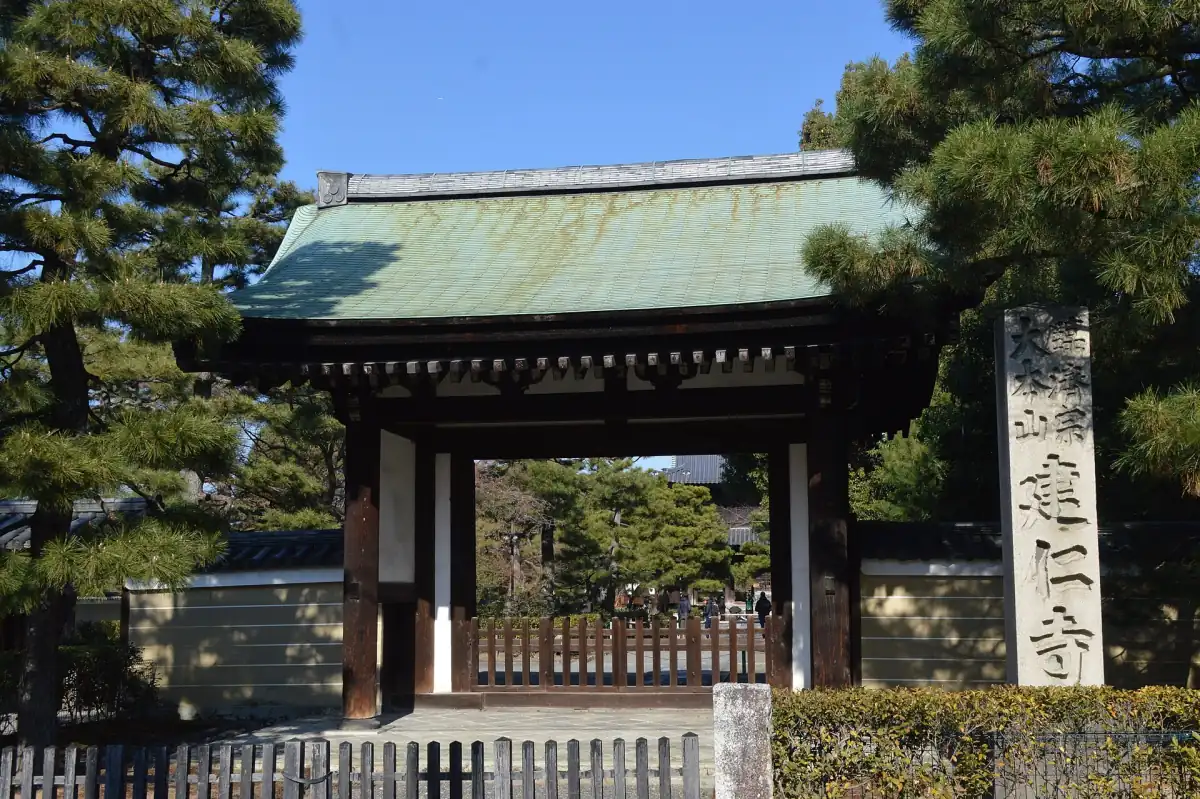
Kennin Ji in Gion: Gardens, Art, Entry Fees and Visiting
Zen gardens, dragon art and visiting rules.
Pontocho and Gion: Dining Streets, Culture and Access
A separate hanamachi and dining street west of the river.
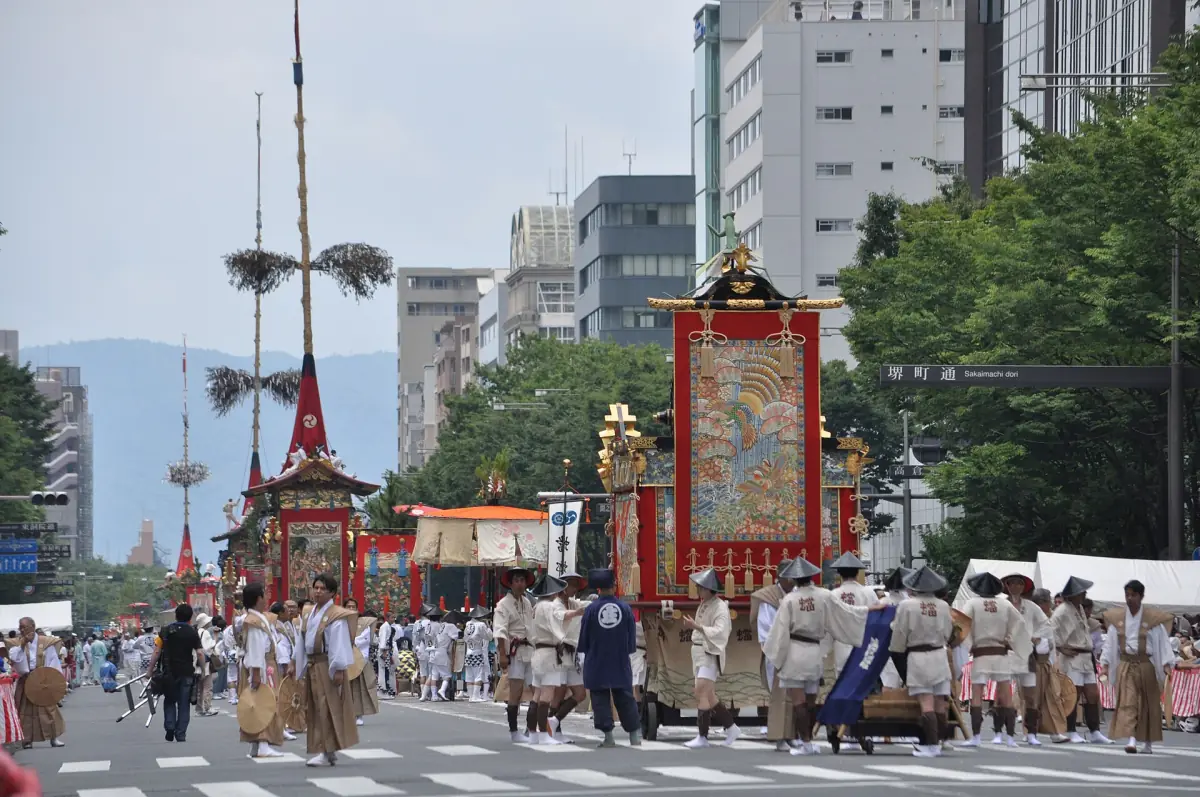
Gion Matsuri: 2026 Dates and Planning a Future Visit
The 2026 record and planning for a future visit.
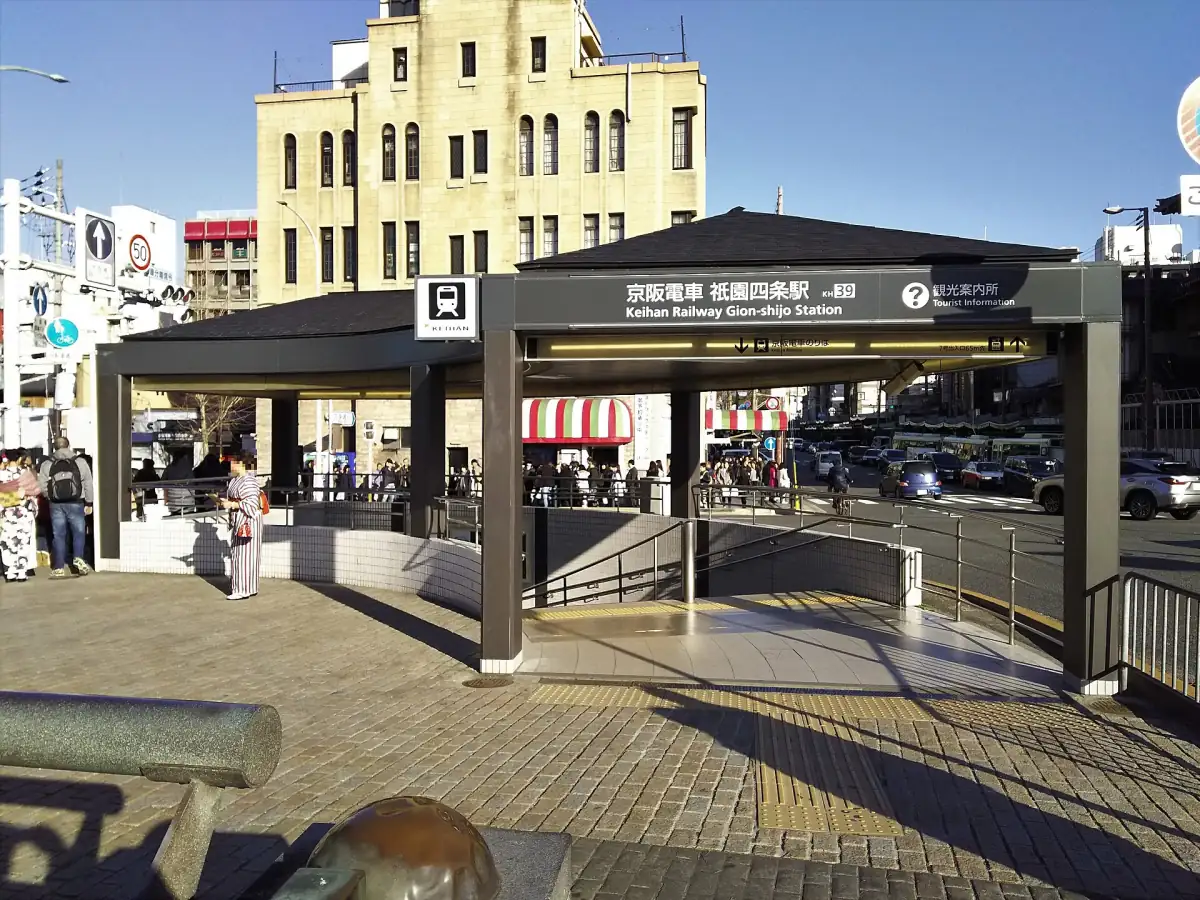
How to Get to Gion: Trains, Buses and Kansai Airport
Rail routes, buses and the airport transfer context.
Where to Stay in Gion Kyoto: Areas, Access and Local Tax
Compare areas by location and transport connections.
Best Time to Visit Gion: Weather, Seasons and Crowds
Kyoto climate, spring flowers and autumn colour.
Three ways to experience the neighbourhood
A cultural walk puts the buildings and the work of geiko and maiko into context. The evening walk with a photography service includes a guide and photographs; the cultural district walk includes explanations of Gion and help with taking photos. Another guided walk offers English or Spanish. These are useful introductions to an inhabited neighbourhood, with meeting points that you reach independently.
A tea experience gives the visit a different focus. The kimono and tea combination includes kimono rental, simple hairstyling, matcha and wagashi. Calligraphy belongs to its additional option. If you want a performance and conversation, choose a booked cultural walk with a geisha meeting; lunch, tea or dinner depend on the selected option. For food, the tasting walk includes thirteen dishes at four eateries and two drinks. Read the tea and kimono guide, performance guide and food tours guide for the distinctions that matter.
Streets, gardens and worship
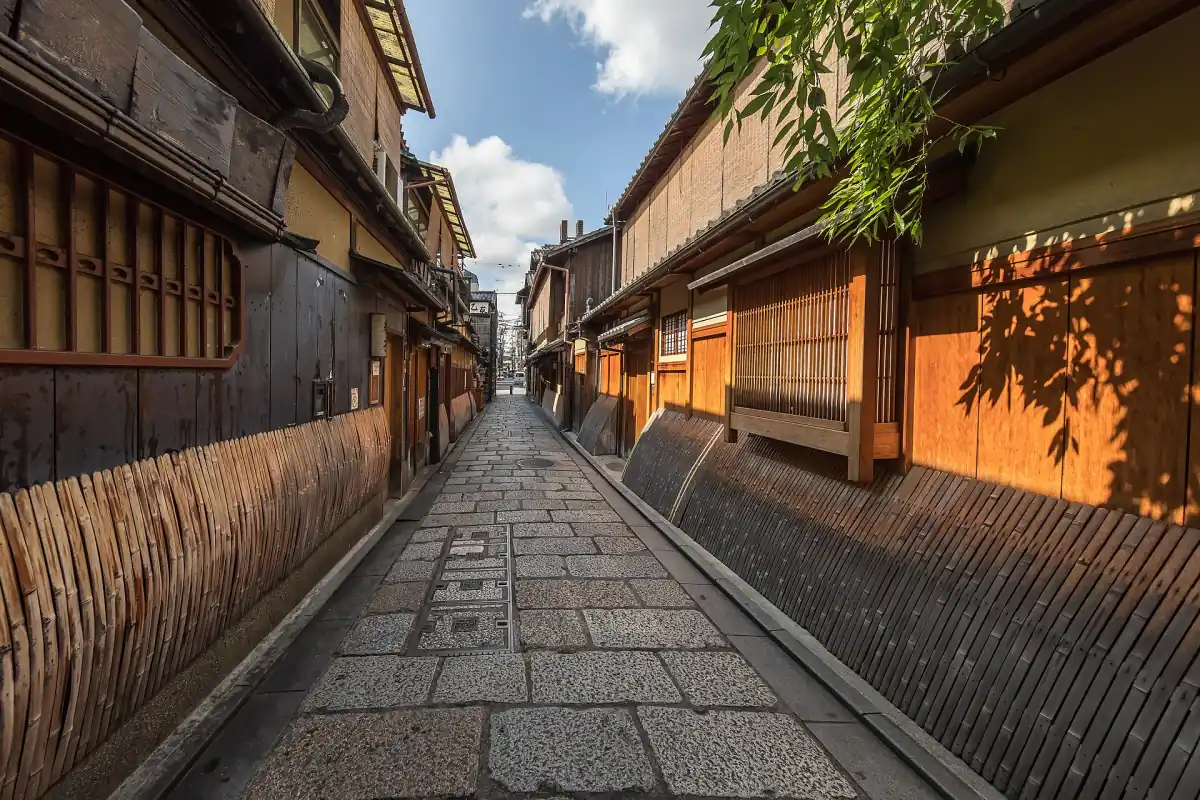
On Hanamikoji, leave space for vehicles and keep out of the middle of the road. Around Shirakawa and Shinbashi, wooden facades, latticework, stone paving and the canal form a connected streetscape. Look at the houses from the permitted route rather than stepping into an entrance for a photograph. These places are also workplaces and private addresses.
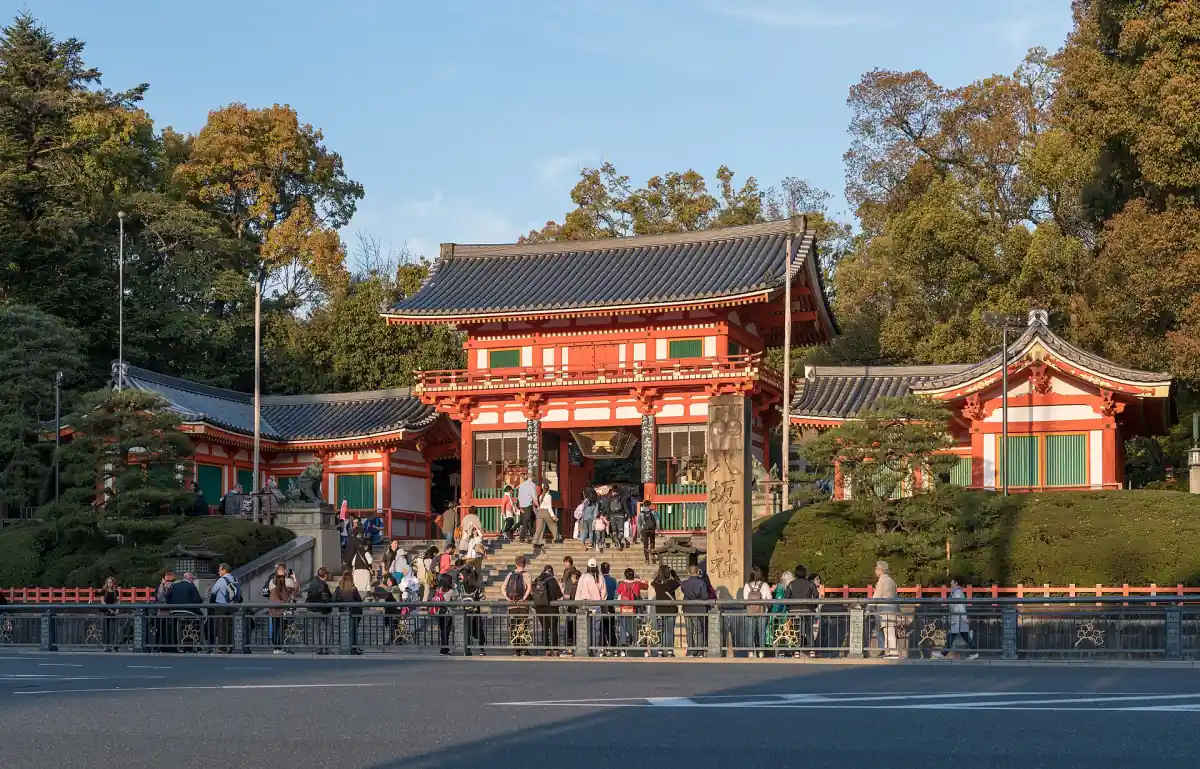
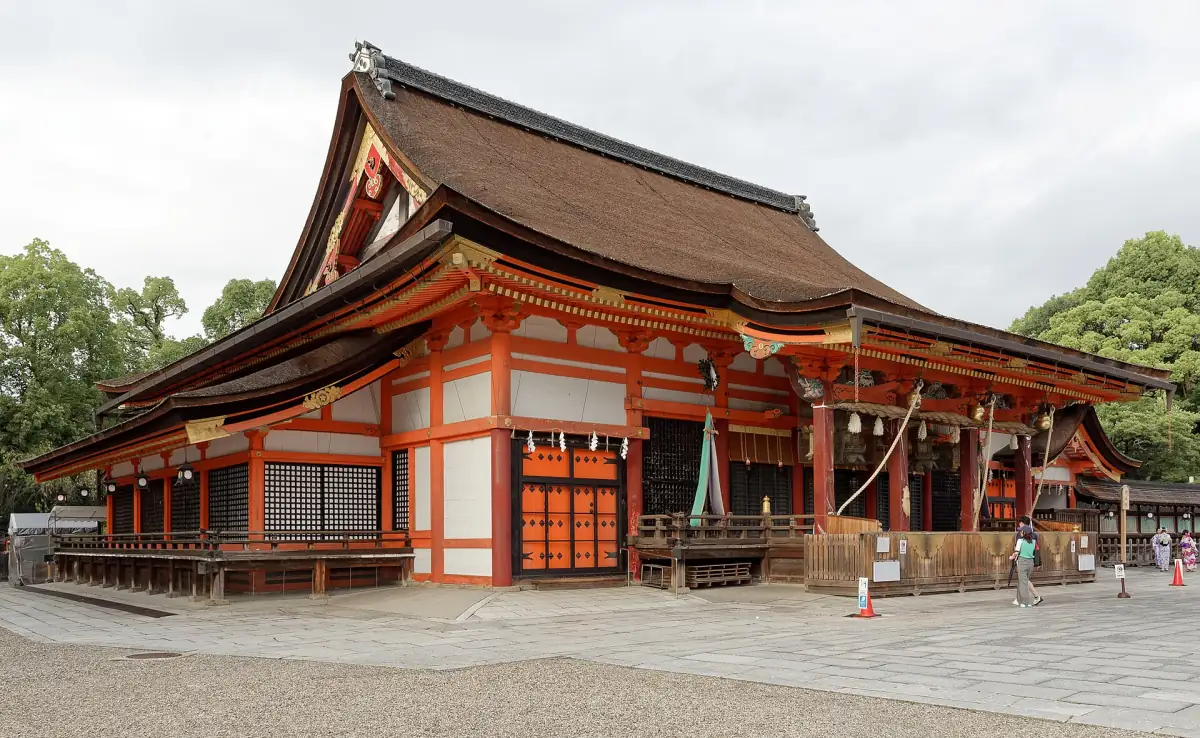
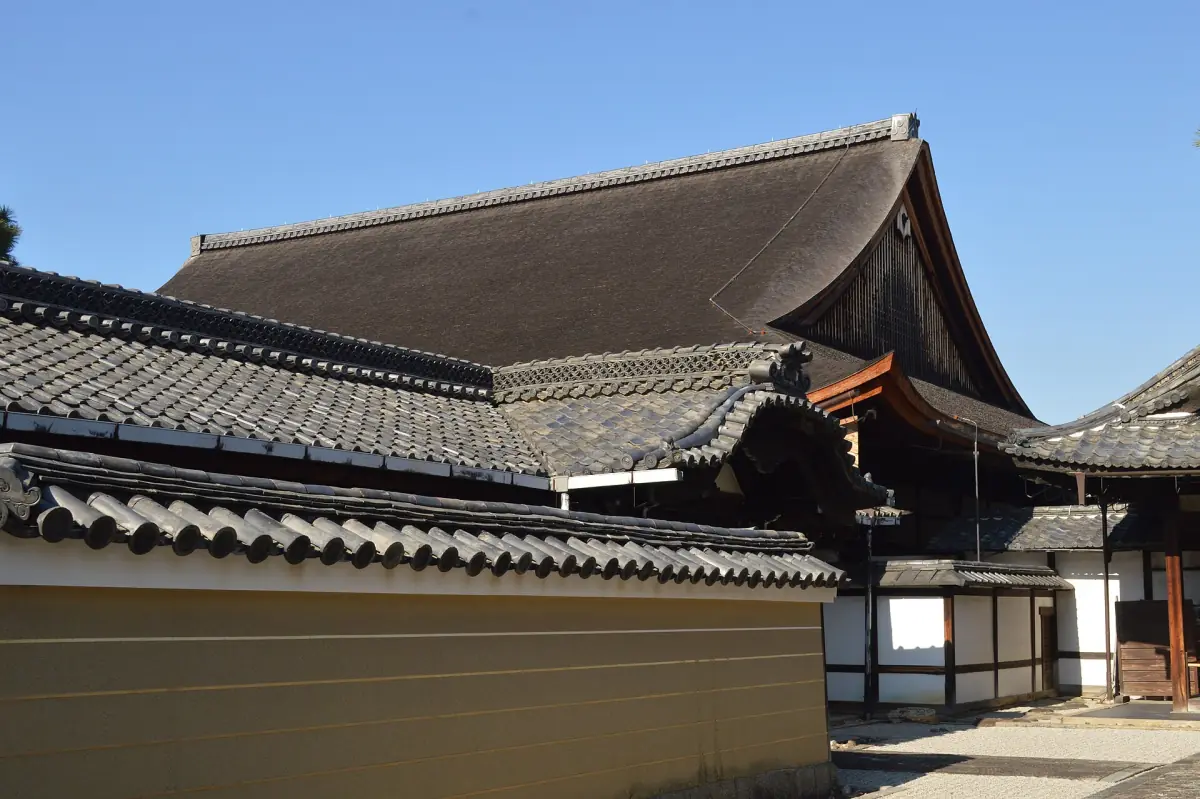
The ordinary visit to Yasaka Shrine is free, and worship is possible around the clock. Office services follow their own hours. Kennin-ji is a separate paid visit, with dry landscape gardens, courtyard gardens and the dragon ceiling painted in 2002. Its interior photography rules allow only brief handheld images of gardens and art, with no videos or posed portraits. Give the temple its own time instead of treating it as a backdrop for a street walk.
Prepare your visit
Gion-Shijo on the Keihan line is a useful arrival station. From Kyoto Station, one rail route changes from the JR Nara line to Keihan at Tofukuji. The arrival guide explains rail and bus alternatives so that you can choose an approach suited to your first stop. Store bulky luggage before sightseeing and allow time to find the precise meeting address for a booked activity.
Bring some cash for purchases and temple visits where it is required. For seasonal planning, Kyoto's spring and autumn are described as comfortable sightseeing periods; summer is hot and humid, and winter cool. See weather and seasons rather than relying on a particular future blossom date. If you are staying nearby, the accommodation areas guide compares locations by their transport and sightseeing connections.
Gion within Kyoto
Keep the neighbourhood visit focused and plan wider city sightseeing separately. Kyoto provides the broader city context. The history guide explains Gion's development, while Gion Matsuri separates shrine rituals from the float processions through central streets. Festival arrangements need their own dated planning.
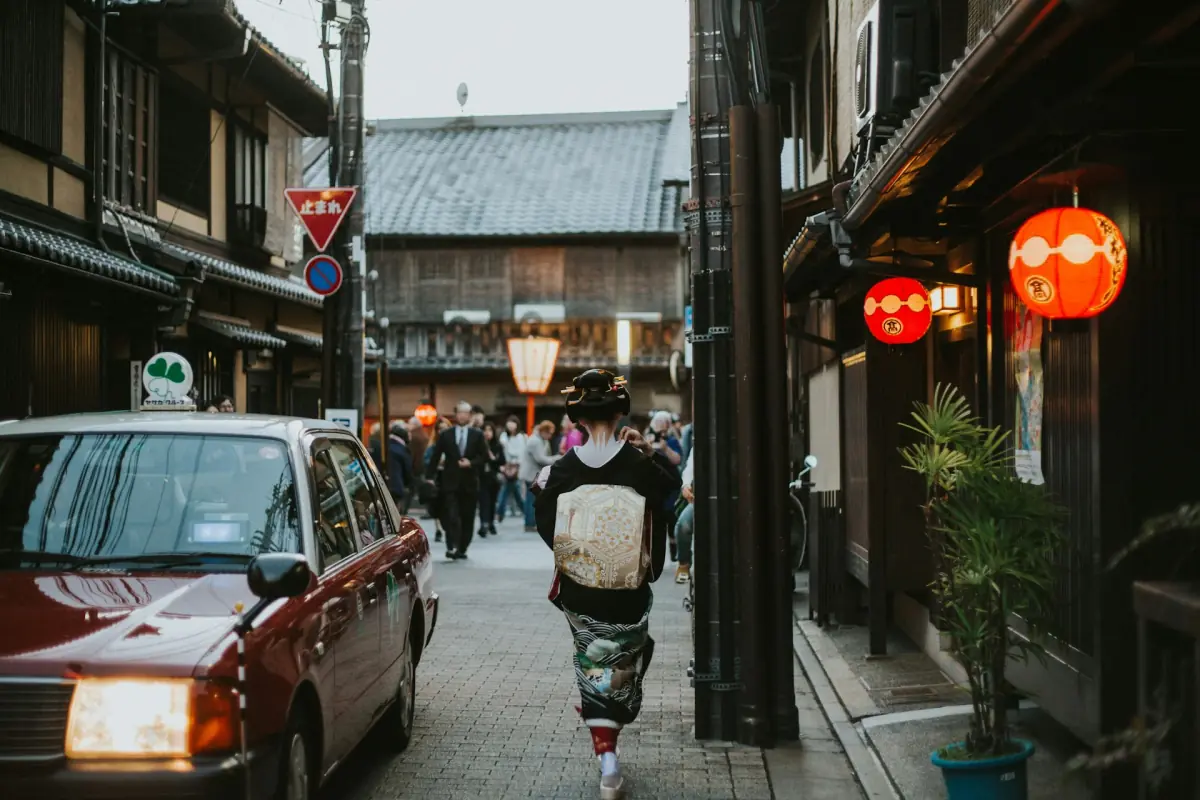
Respect is part of the visit itself. The city's guidance of 2 October 2026 asks visitors not to touch, follow or photograph geiko and maiko without permission, enter private land or obstruct traffic. A cultural tour explains their work; a reserved performance creates an agreed setting for watching it. Choose the activity for what it includes, and let people going about their work pass without interruption.
Questions about your visit
Is this an official Gion website?
This is an independent guide, with no connection to the City of Kyoto, tourism authorities, Yasaka Shrine, Kennin-ji, cultural venues or activity operators.
Which activity suits an introduction?
A guided neighbourhood walk explains the streets and geiko culture. Choose a tea ceremony for a practical indoor experience or a booked performance for traditional arts.
Is Pontocho part of Gion?
Pontocho is a separate hanamachi west of the Kamo River. It can complement a Gion visit, with its own dining streets and history.