
Kennin Ji: a temple visit within Gion
Kennin Ji offers a different focus from the streets and teahouse architecture of Gion. Its foundation dates to 1202, with support from Minamoto no Yoriie and Eisai as founding abbot. Several Buddhist traditions were initially taught here before it became a wholly Zen monastery. Keep that history in mind when moving between the buildings, gardens and artwork: this is a religious setting as well as a place to look at art.
Give the temple its own place in your day rather than treating it as a background for street photographs. The gardens and ceiling painting reward a visit centred on looking closely. For the surrounding district, use the Hanamikoji and Shirakawa guide; for the broader cultural setting, read about Gion history. These complement the temple without turning its grounds into an extension of the street.
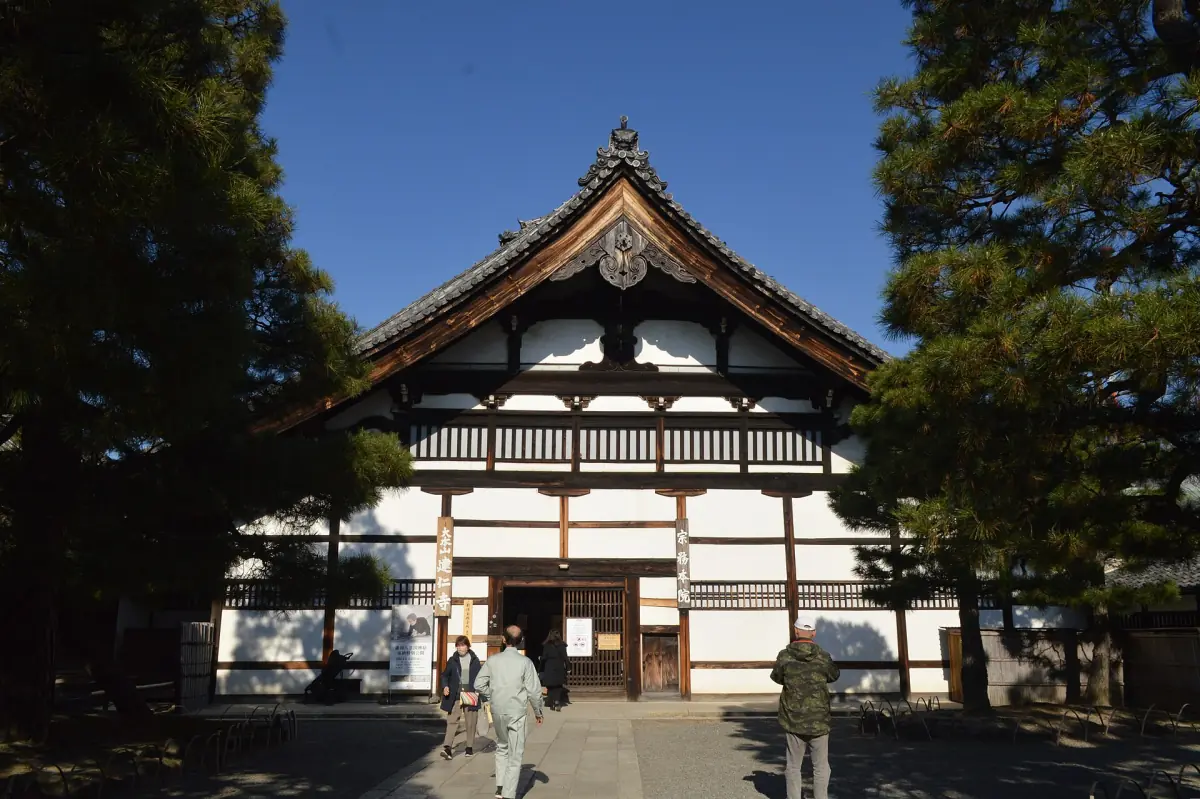
Gardens and art to look for
Daiō-en is the dry landscape garden in front of the Hōjō. Chōon-tei occupies an inner courtyard, while another garden uses circle, triangle and square motifs. Looking at these different settings gives the visit a clear structure. Pay attention to the relationship between the garden and the building from which you view it, then move on without occupying a viewing position for longer than you need.
The dragon ceiling painting in the Dharma Hall was created by Koizumi Junsaku in 2002. It belongs to a much later moment than the temple foundation, so the age of the monastery should not be applied to every artwork. A guided visit can bring together the rock gardens, screen paintings and ceiling art, with explanations of Zen Buddhism alongside what you see.
Private Kennin-ji walk
Visit Zen gardens and artworks with a private guide.
Hand-picked tours, booked through GetYourGuide. Prices are indicative starting prices in US dollars (as of October 2026). Tap a tour for live availability and the current price in your currency.
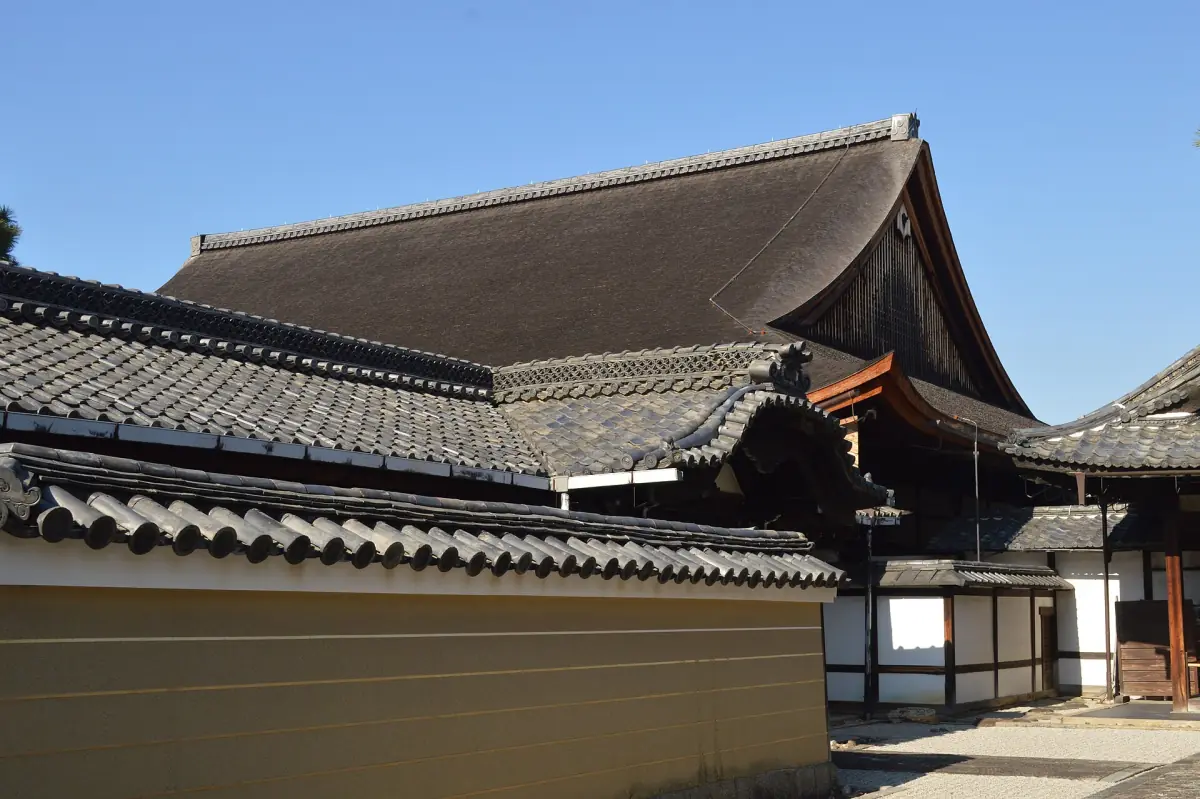
Explore Zen and art at Kennin-ji
A focused guided temple visit introduces rock gardens, screen paintings and ceiling artwork.
A focused guided temple visit
The private Zen and art tour lasts 1.5 hours and includes an expert guide, a visit to Kennin-ji, an introduction to Zen Buddhism, rock gardens, screen paintings and ceiling artwork. It starts at the Yamatoōji police post, Gionmachi Kitagawa 238, and ends at the temple’s north gate. This is a useful format when the art and gardens are your main reason for coming, rather than a broad walk through several districts.
Compare the guided service and the temple’s own admission arrangements as separate parts of planning your visit. The general entry fees below describe the temple tariff. For other private formats in the district, the Gion private tours page explains the different routes and subjects. Choose according to what you want to understand, and leave room in your day for the actual temple visit.
Admission, hours and dated November changes
At the November 2026 information check, general admission was 800 JPY, school pupils paid 500 JPY and preschool children entered free. From 1 January 2027 the announced general fee is 1,000 JPY; the school pupil fee and free preschool admission remain unchanged. Children of primary school age and younger must be accompanied. Groups of 15 or more must register at least ten days ahead, and primary school groups also need advance arrangements and supervision.
Visiting hours are 10:00 to 17:00, with admission closing at 16:30. The temple is closed to sightseeing for the whole of 15 November 2026, with that closure ending on 15 November 2026. Sutra copying is separately suspended from 1 November through 6 December 2026 inclusive. That activity pause should not be used as the visiting calendar for the temple itself.
Photography, conduct and getting there
The photography rule dated 8 November 2025 permits brief shots using a handheld camera or smartphone. Photograph gardens and artworks rather than people. Videos, drones, action cameras, tripods, selfie sticks, gimbals and commercial or monetised photography are prohibited. Commemorative portraits and staged photographs in kimono or other costumes are also prohibited. Put the device away once you have taken a brief picture and allow others to view the same space.
Eating, drinking, smoking including electronic cigarettes, games, speeches, singing and sketching are prohibited; take your rubbish with you. Gion-Shijo is about seven minutes away on foot. From Kyoto Station, a rail approach uses the JR Nara Line to Tofukuji, then Keihan to Gion-Shijo. The Gion access guide explains those connections so you can plan the journey separately from the temple’s last admission time.
Questions about your visit
What does admission cost in 2026?
General admission is 800 JPY at the November 2026 check, school pupils pay 500 JPY and preschool children enter free. The general fee changes to 1,000 JPY on 1 January 2027.
Can I take kimono portraits inside?
The temple prohibits portraits and staged costume photographs. Brief handheld photographs of gardens and artworks are permitted under its house rules.
Is the temple closed throughout November?
The announced full-day sightseeing closure is 15 November 2026 only. The separate sutra-copying pause runs from 1 November through 6 December 2026 inclusive.