
Visiting Yasaka Shrine for worship
Yasaka Shrine is closely connected with the development of Gion in eastern Kyoto. An ordinary shrine visit is free, and access for worship is available 24 hours. This makes it possible to include worship in either a daytime street walk or an evening visit, while treating the religious setting with the same consideration at both times.
The shrine office operates from 09:00 to 17:00, and formal prayers are accepted from 09:00 to 16:00. Those hours refer to services rather than the full period of access for worship. Choose a daytime visit if office services are central to your plans. For nearby street architecture, combine the shrine with Hanamikoji and Shirakawa.
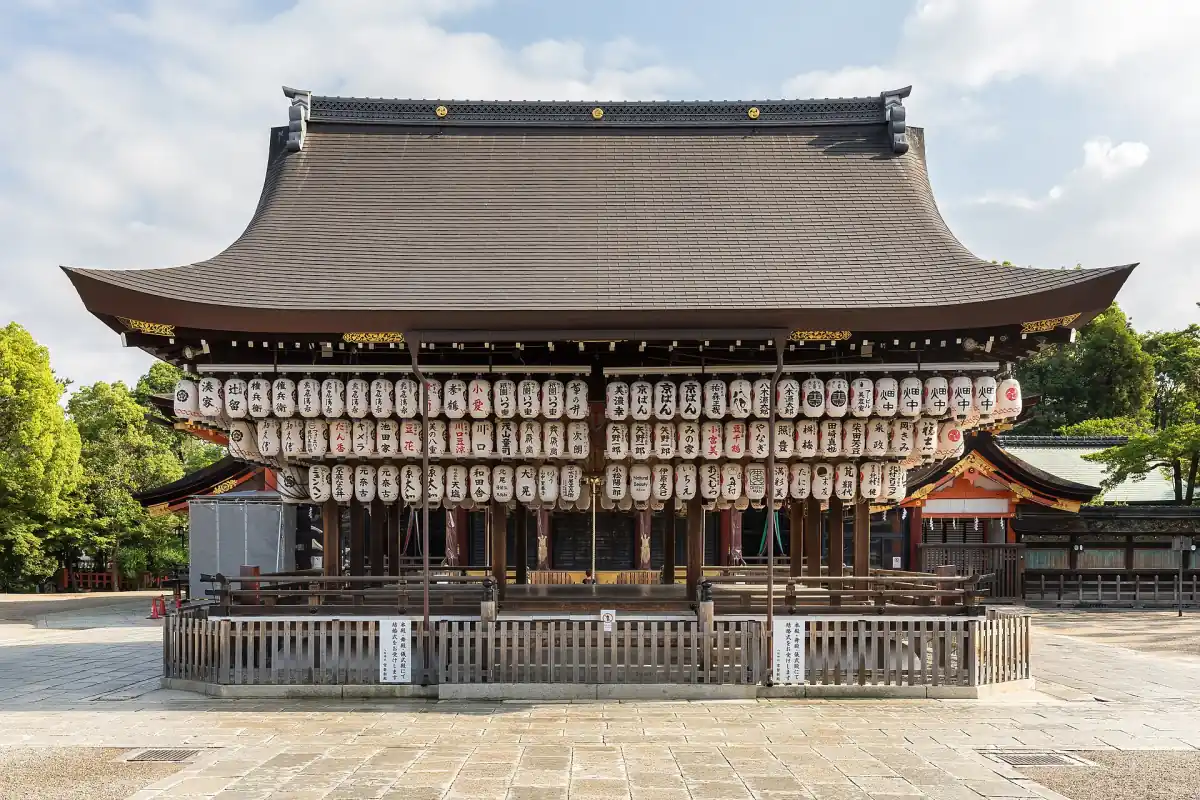
Ordinary access and formal prayers
A formal prayer service involves an offering, separate from ordinary access. At the information checked on 3 November 2026, the basic offering starts at 8,000 yen, a first shrine visit for a baby starts at 10,000 yen, and a service with miko kagura starts at 15,000 yen. These are offerings for religious services rather than admission categories for adult and child visitors.
For a simple visit, leave room for people who have come to pray. The shrine explains bowing at the gate, walking along the side of the approach, and obtaining amulets or goshuin after worship. Taking time to understand those actions offers a more meaningful visit than treating the precinct solely as the backdrop to the surrounding streets.
Visit Yasaka Shrine
A private cultural walk visits Yasaka Shrine.
Hand-picked tours, booked through GetYourGuide. Prices are indicative starting prices in US dollars (as of October 2026). Tap a tour for live availability and the current price in your currency.
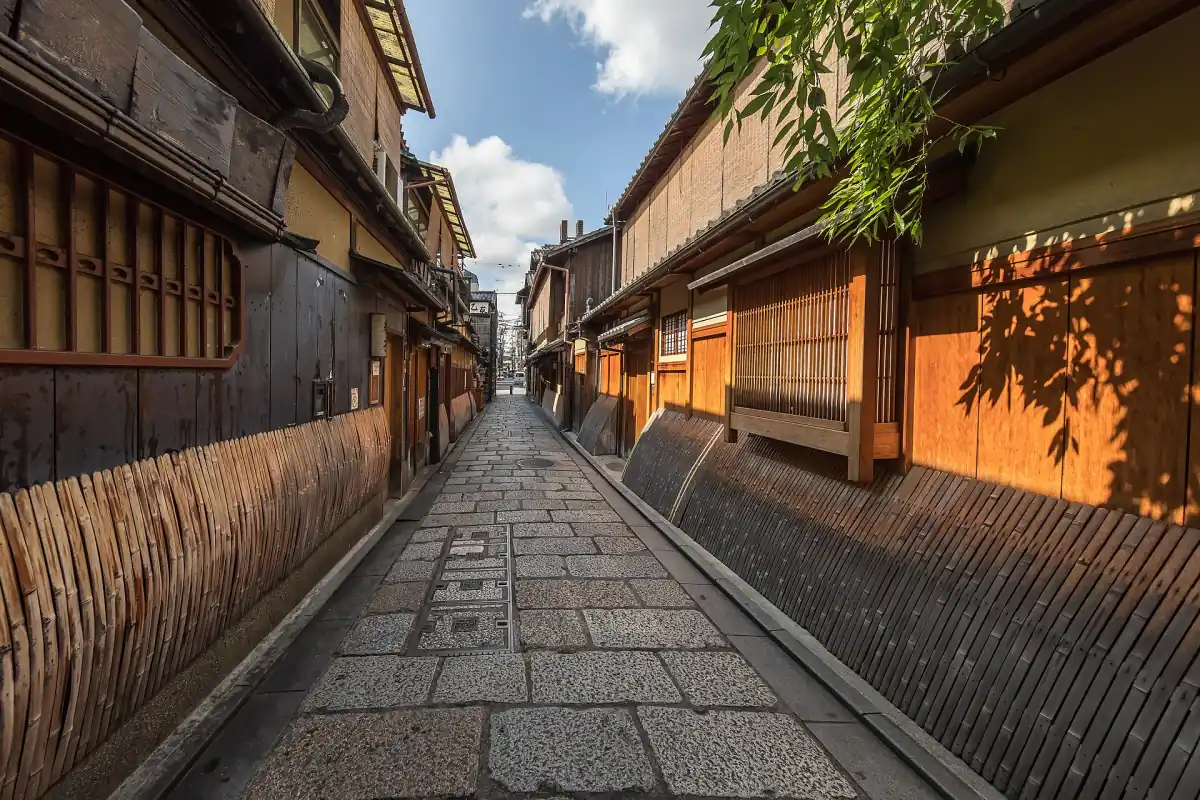
A private cultural walk including Yasaka
Visit Yasaka and other Kyoto cultural sites with a private local guide. This is a regular cultural tour, priced per person.
How to approach the rituals respectfully
The shrine describes a customary sequence of two bows, two claps and a final bow. Follow the guidance at the place of worship and give other visitors room to complete their prayers. A visitor observing the setting should also avoid blocking an approach or interrupting a service for a photograph.
The shrine gives several traditions about its origins. It is more useful to understand its continuing connection with Gion and its religious calendar than to reduce that history to a single foundation date. The annual events include Setsubun, Gion Matsuri in July and a bugaku offering in November. Use the current event calendar when choosing a visit around a particular ceremony.
Photography, drones and wheelchair access
Drones are prohibited on the shrine grounds and during shrine rituals, including Gion Matsuri. Commercial work by unaffiliated professional photographers is prohibited, and school group photographs need advance arrangement. Keep a casual visit considerate too: leave passage clear, respect instructions and let religious activities determine where you pause.
For wheelchair users, the shrine describes access through Tokiwa-Shinden and the shrine office. Use that named approach when planning the visit rather than choosing a gate from a photograph. The route to the precinct and the route through an entrance are separate parts of the outing. If travelling with others, keep the party together at the suitable approach and allow time for the office stop.
Getting to the shrine from the station
The shrine lists a walk of about five minutes from Keihan Gion-Shijo and about eight minutes from Hankyu Kyoto-Kawaramachi. From Kyoto Station, the rail route runs via Tofukuji with a transfer from the JR Nara Line to Keihan. The Gion arrival guide explains that connection and the bus alternatives.
The shrine directs drivers to surrounding parking facilities, as the precinct has no parking. Walking from the central area can be a straightforward part of the visit: the city describes the route from Shijo-Kawaramachi across the Kamo bridge. Choose transport around your starting point and mobility needs, then keep the final approach clear for other pedestrians.
Gion Matsuri and a private cultural walk
Yasaka Shrine has a religious role in Gion Matsuri, while the float processions take place on central city streets. The July 2026 programme is a past event; consult the calendar for the year of your own visit. Separate shrine worship, procession viewing and a guided cultural visit when setting your priorities.
The private cultural walk featured here includes a local guide and admission fees, visits Yasaka and continues to other cultural sites. It is priced per person. This is an ordinary guided cultural outing, with its start at the Japan Kanji Museum & Library, rather than festival seating or a procession experience. See private tours in Gion for other route types.
Questions about your visit
Is ordinary shrine access free?
Ordinary worship at Yasaka is free. Offerings for formal prayers pay for separate religious services, so plan those services during their daytime acceptance hours.
Can I visit in the evening?
Access for worship is available 24 hours. The shrine office runs from 09:00 to 17:00 and formal prayers are accepted from 09:00 to 16:00.
Which route is described for wheelchair users?
The shrine identifies an approach through Tokiwa-Shinden and the shrine office. Use that access information rather than assuming each gate has the same conditions.