
Choosing a tea ceremony in Kyoto
A tea ceremony in Kyoto can be the focus of a visit to Gion rather than an addition squeezed between distant sights. The activities here offer different combinations: kimono rental with tea, a townhouse setting with staff guidance, or preparing your own matcha in nearby Higashiyama. Decide whether wearing a kimono matters to you before comparing the experiences, because a tea session and a clothing rental are separate elements of the programme.
Gion lies in eastern Kyoto, while the Ninenzaka tea experience is in neighbouring Higashiyama. Keep that distinction when arranging a meeting point or linking the session with a walk. For local orientation, use the Gion arrival guide. If the main purpose of your day is exploring streets and cultural history, compare guided walks and give the tea appointment its own space in your schedule.
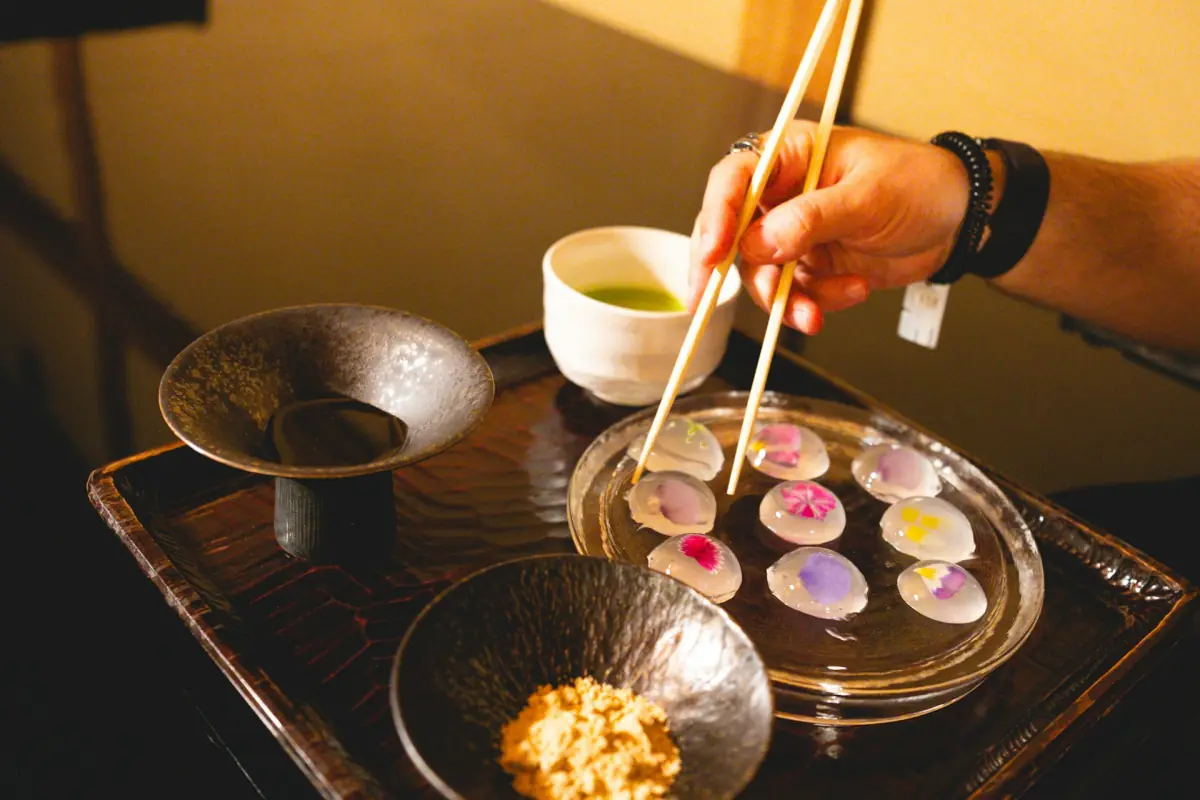
Tea experiences
Choose a kimono experience or prepare your own matcha.
Hand-picked tours, booked through GetYourGuide and Viator. Prices are indicative starting prices in US dollars (as of October 2026). Tap a tour for live availability and the current price in your currency.
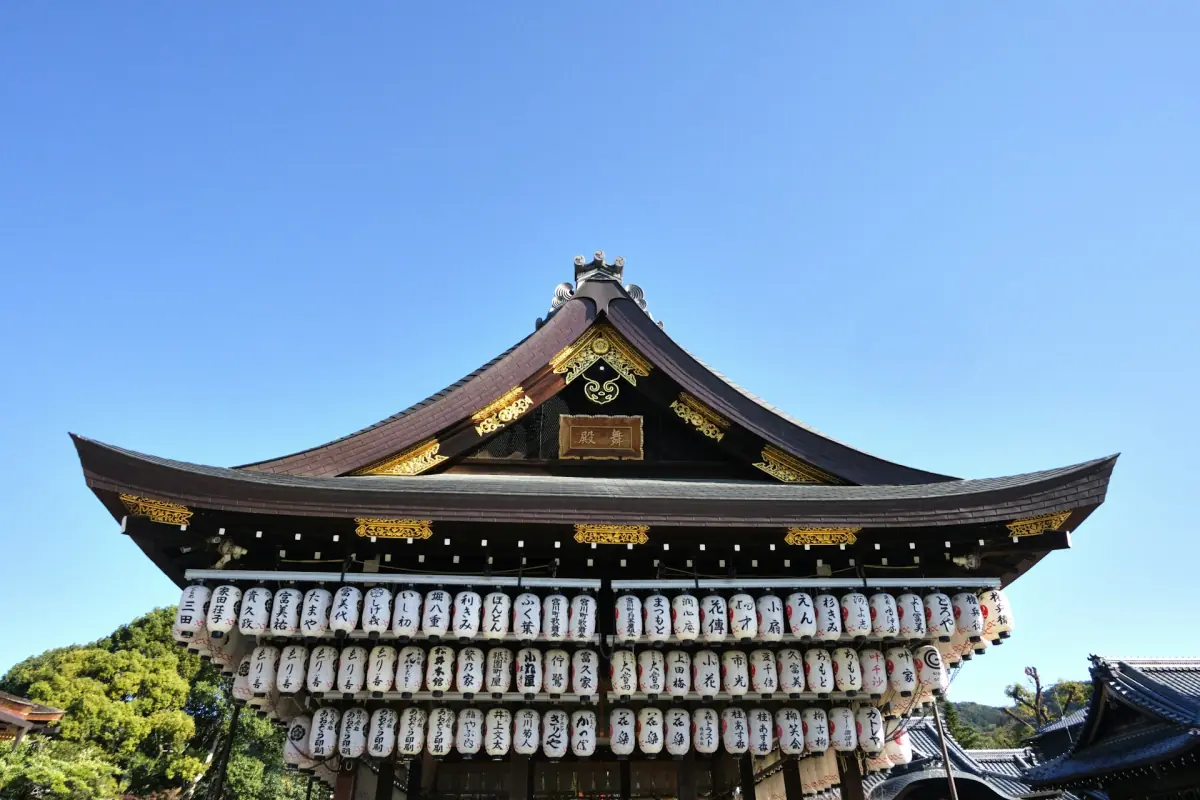
Tea and kimono in a townhouse
- Kimono rental
- Free hair set and hair accessories
The experience is indoors; wearing the kimono outside costs extra.
Check availability →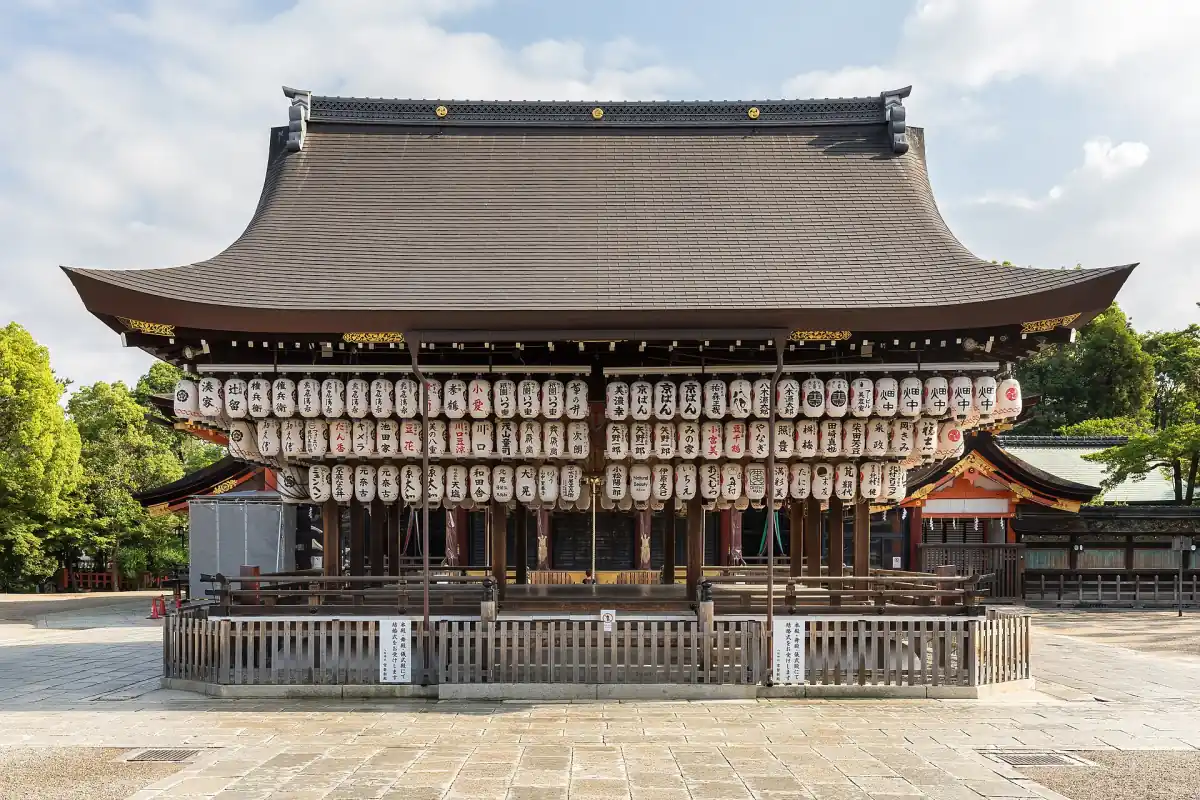
Kimono and tea experience
- Kimono Set Rental
- Snacks (Wagashi & matcha)
- Hairstyling (simple style)
Calligraphy is included only with the relevant option.
Check availability →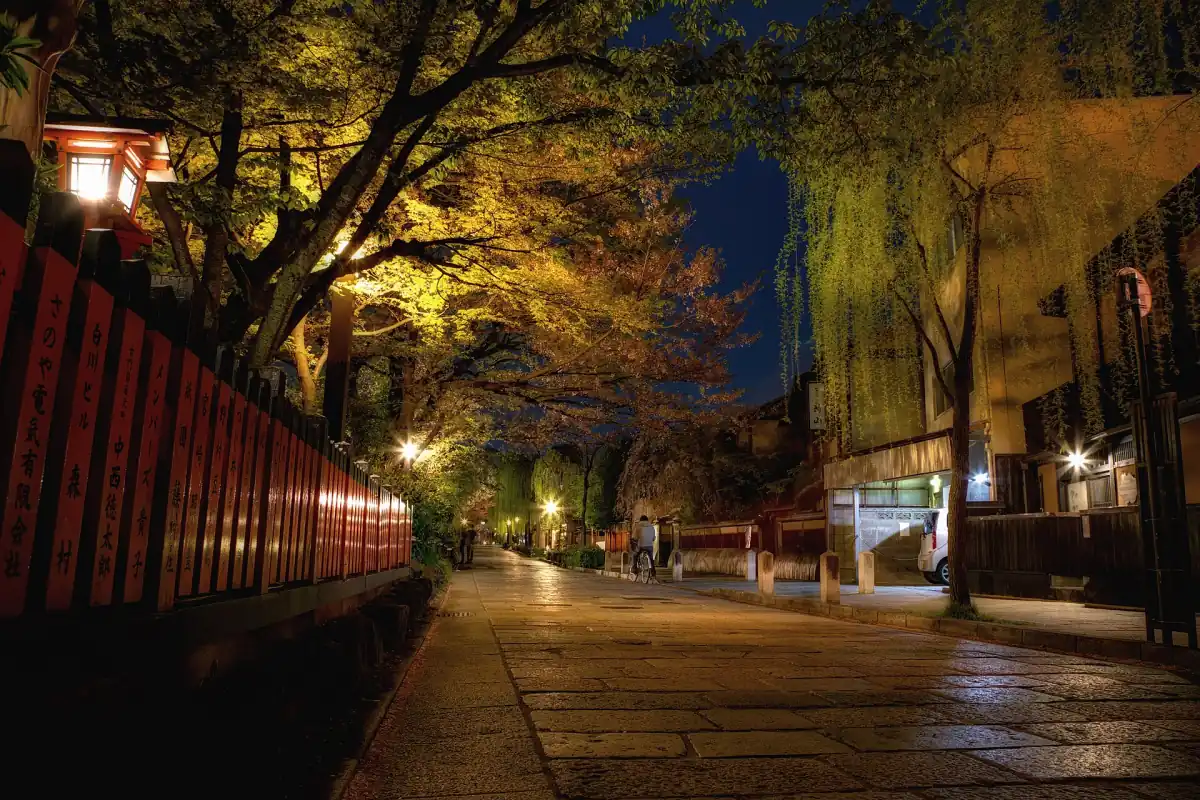
Prepare matcha near Ninenzaka
- Tea bowls, tea scoops and tea whisks
Prepare your own matcha at a venue in a Higashiyama alley.
Check availability →Tea and kimono experiences
Select a Gion kimono and matcha combination, a traditional-townhouse tea experience or matcha preparation near Ninenzaka.
Gion tea with kimono and wagashi
The kimono and tea experience at Gionmachi Minamigawa 572-7 includes a kimono set rental, simple hairstyling, wagashi and matcha, tea utensils and a licensed guide. Calligraphy equipment is included only when the Japanese Calligraphy Experience option is selected. Choose this combination when you want clothing and tea in the same booking, and select the calligraphy addition deliberately rather than expecting it in the standard session.
The traditional-townhouse experience at Kiyoicho 483-1 includes a tea ceremony, kimono rental, hairstyling and hair accessories, with experienced staff guidance. Wearing the kimono outside costs an additional 1,000 yen in this product. That distinction matters if your plan centres on photographs in the surrounding streets: the indoor combination and permission to take the rented clothing outside are separate choices.
Kyoto kimono rental and respectful photographs
Kyoto kimono rental is a clothing experience, not training as a maiko. Geiko are professional traditional performing artists, while maiko are in training. Keep those terms separate when describing your photographs and the people you meet. A rented outfit also gives no additional access to private property or permission to photograph geiko and maiko. Follow signs and leave entrances and walking routes clear.
Kennin-ji has its own photography rules: staged portraits and kimono photo sessions are not allowed there. Choose a different plan for posed photographs instead of treating a temple garden as a studio. The Kennin-ji guide explains the temple visit, and the Hanamikoji and Shirakawa page describes street etiquette. Commercial photography around Tatsumi and Shinbashi requires prior permission from the landscape committee.
Preparing matcha near Ninenzaka
The Higashiyama tea experience provides tea bowls, scoops and whisks so that guests can prepare their own bowl of matcha. Its meeting place is in an alley branching from Ninenzaka. Choose this format if making tea is your main interest and plan your route around that address rather than a Gion kimono shop. Kimono rental is not part of the listed utensils inclusion.
When arranging a tea visit with children or someone who finds stairs difficult, use the access and age conditions of the particular session. Tea rooms and workshops have individual arrangements, and a requirement at one venue should not be copied to every activity. Keep comfortable time for arrival, any clothing change and the onward walk. This lets the ceremony remain a distinct part of the day instead of becoming a rushed stop between appointments.
Workshops beyond the tea bowl
A fan-painting workshop in Gion offers a separate hands-on activity. The city’s school-trip listing updated on 15 June 2026 describes sessions of 45 to 60 minutes, with reservations at least three days in advance. Its simpler type costs 3,300 yen including tax, while the more elaborate type costs 3,850 yen and is delivered after about two months. These are workshop details, not tea-tour inclusions.
Kintsugi workshops are another separate booking: one listed experience includes an English-speaking instructor and a finished item to take home, while another lists tools and workspace. Choose a workshop for the activity it actually includes, without adding it to a tea booking. For a day based around Gion, a single well-placed tea or craft appointment and an unhurried street walk can make a clearer plan than overlapping several different meeting points.
Questions before booking
Which tea experiences include a kimono?
The two Gion combinations include kimono rental. The Ninenzaka experience lists tea bowls, scoops and whisks for preparing matcha, so select the combination that matches your plan.
Can I wear the townhouse kimono outdoors?
Outdoor use costs an additional 1,000 yen on the traditional-townhouse combination at Kiyoicho. Include that option when planning an outdoor kimono walk.
Is calligraphy included with every tea session?
Calligraphy equipment belongs only to the Japanese Calligraphy Experience option of the Gionmachi Minamigawa combination. The standard tea and kimono session has its own inclusions.