
Gion restaurants and guided food experiences
Gion restaurants sit within a living cultural district, while guided food experiences combine a meal with explanations and a route between stops. Choosing a tour is useful when you want the food to structure your evening. Start by comparing the number of eating places, the included drinks and the meeting point. A long dish list alone tells you less than knowing whether the activity is a shared dinner, a walk with tastings or a route crossing into Pontocho.
Pontocho is a separate hanamachi west of the Kamo River, rather than a street inside Gion. Its directory includes Japanese cuisine, izakaya, bars, cafés and other cooking styles. That makes it a relevant neighbour for an evening food walk, but only describe a tour as visiting both districts when its route does so. Read the Pontocho guide for the geography and evening walks for culture-focused alternatives.
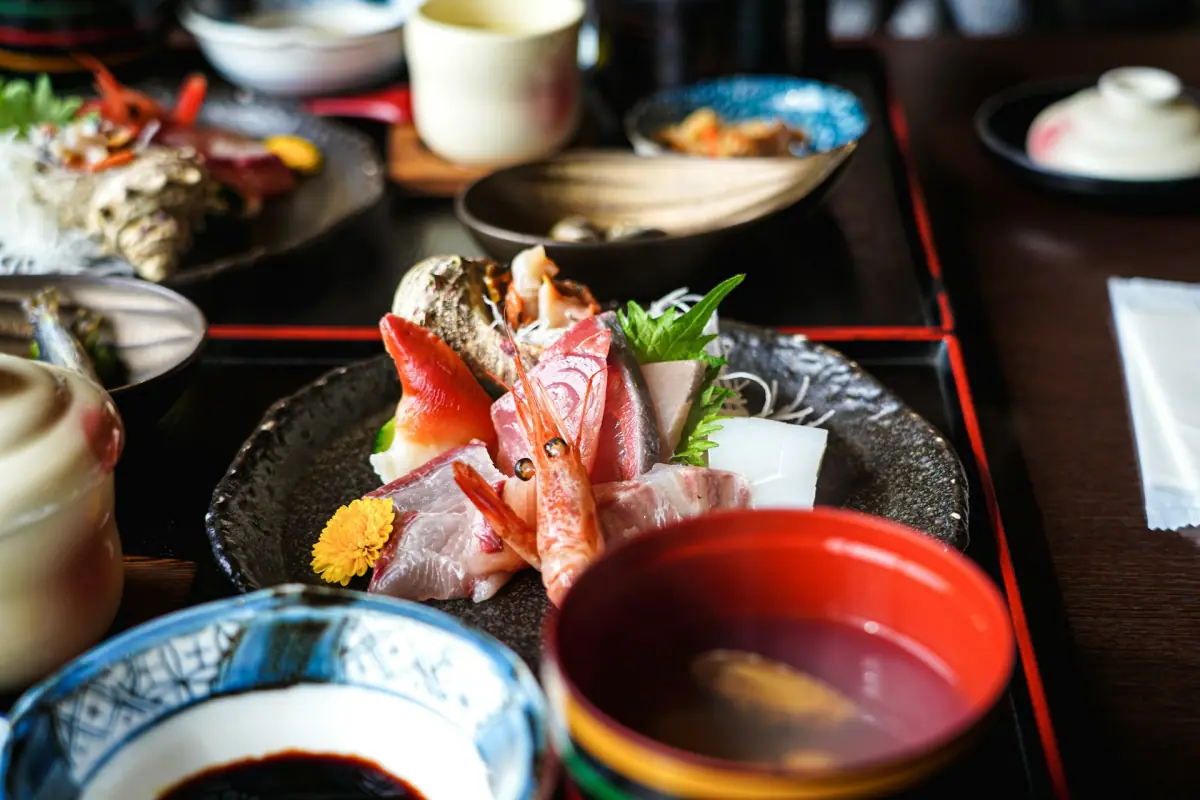
Food experiences
Choose a walk through several eateries or dinner with sake tastings.
Hand-picked tours, booked through GetYourGuide and Viator. Prices are indicative starting prices in US dollars (as of October 2026). Tap a tour for live availability and the current price in your currency.
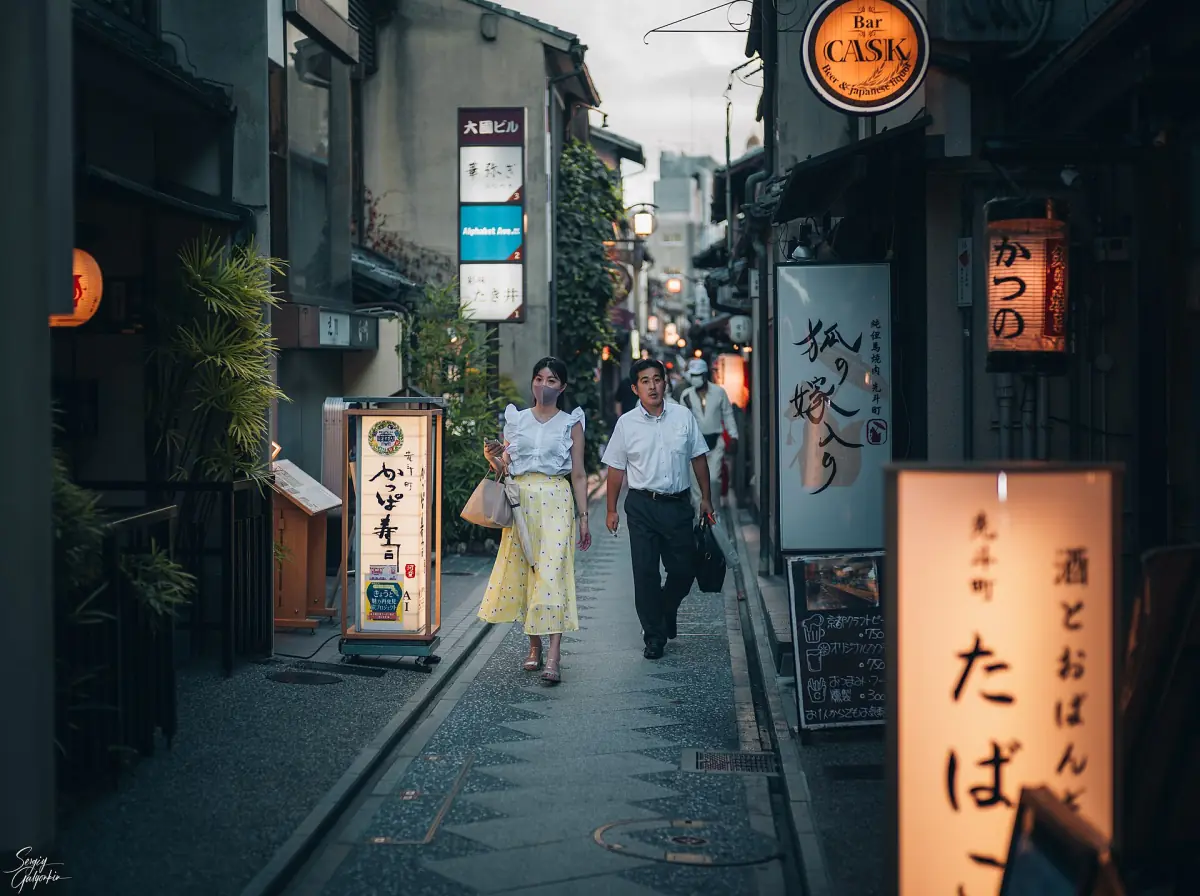
Gion dinner and sake
- Full dinner course with a dessert
- 3 kinds of Sake tastings
- 2 drinks
Vegetarian meals require an advance request; vegan and gluten-free meals are unavailable.
Check availability →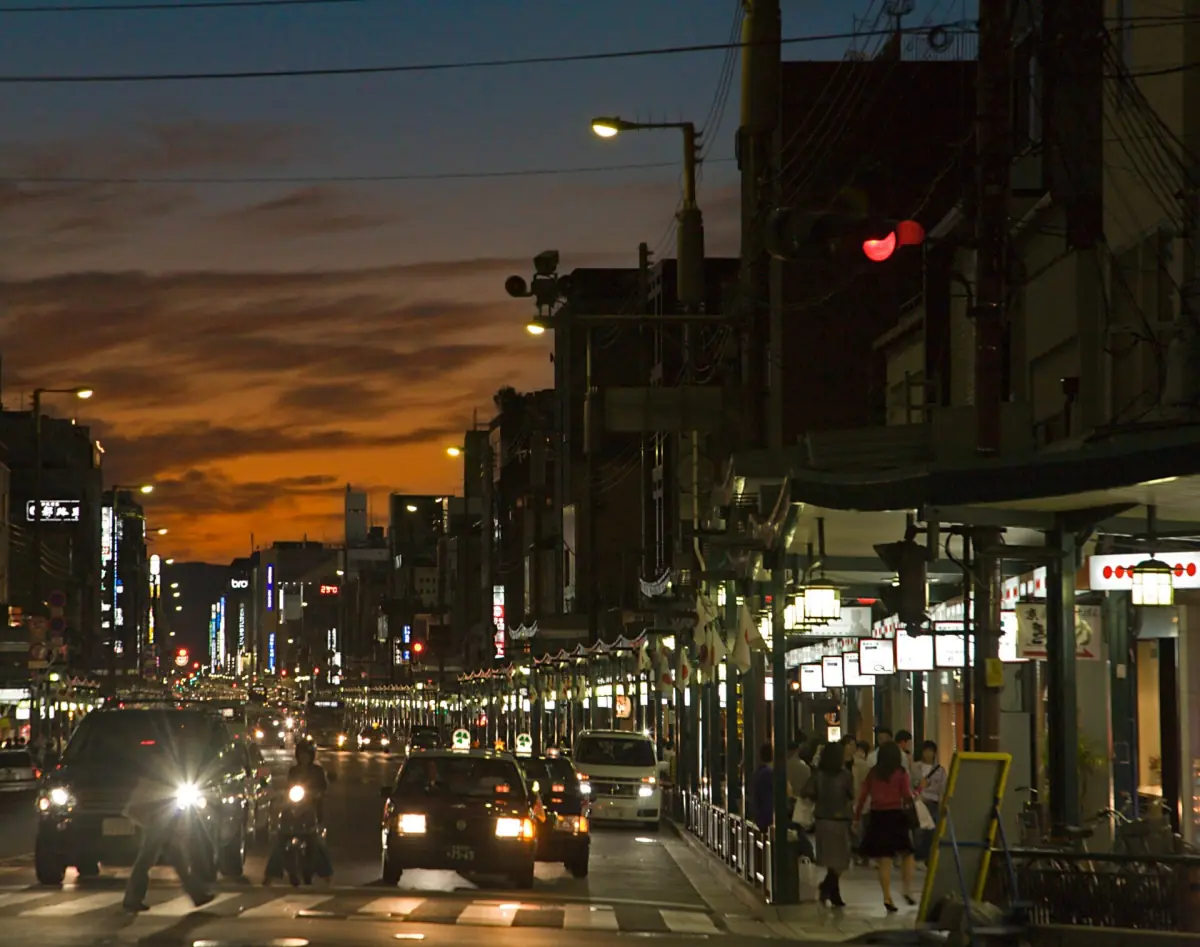
Food walk including Pontocho
- Two drinks
- Walking tour with local guide
Taste up to 13 dishes at a restaurant and an izakaya.
Check availability →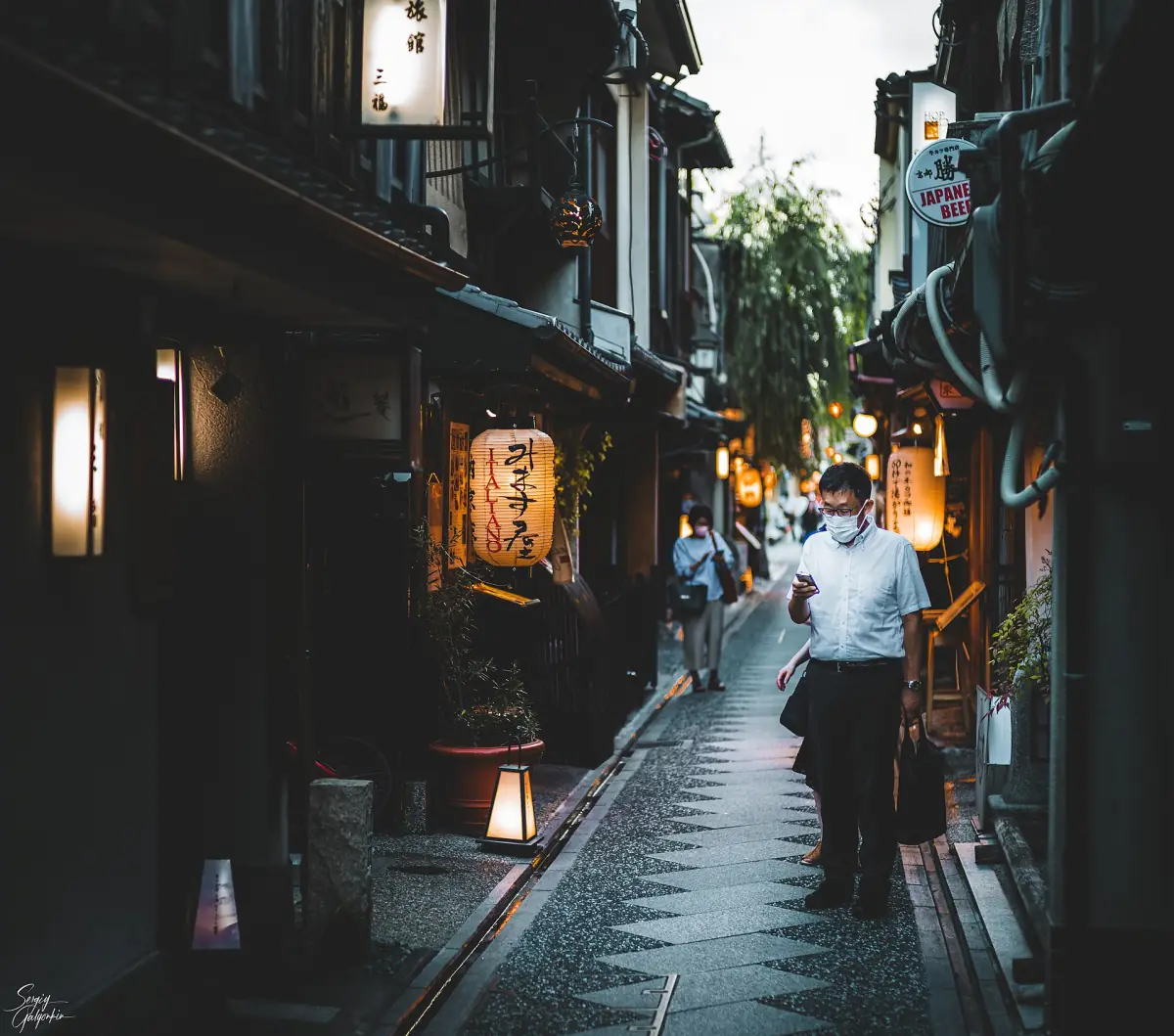
Gion food walk
- 13 Japanese dishes at 4 eateries
- 2 complimentary drinks
Visit four eateries with an English-speaking guide.
Check availability →Food tours and evening tastings
Compare a Gion and Pontocho food walk, a four-stop tasting route and a Gion dinner with sake tastings.
Choosing a Gion food tour by what you eat
The Gion and Pontocho food walk includes food at a restaurant and an izakaya, with up to thirteen dishes and two alcoholic or non-alcoholic drinks. It also includes a local guide and walking tour. Additional drinks are extra. The meeting point is the FamilyMart Kyoto Gion at Gionmachi Kitagawa 300. Choose this format if you like the idea of dinner split between two venues and a route connecting the neighbouring districts.
The four-stop food tour includes thirteen Japanese dishes at four eateries, two drinks, an English-speaking guide and a walking tour. The food stops comprise a stall, an izakaya, a traditional eatery and a dessert stand. It meets at Sanjo-Ohashi, Nakajimacho 113. This offers a different pattern of eating from the two-venue walk: the stops themselves are part of the experience, rather than simply a way to reach a single dinner table.
Dinner, sake and dietary requests
The Gion dinner experience includes a full dinner course with dessert, three kinds of sake tastings, two drinks and a guide. Its meeting point is the Izumo-no-Okuni statue outside Gion-Shijo Exit 5. Use that specific departure when planning your arrival; the dinner should not be treated as a Pontocho route simply because another food tour visits Pontocho.
A vegetarian menu for this dinner is available only by advance request; vegan and gluten-free versions are unavailable. Dietary needs are a practical part of selecting an experience. Send your requirements before committing to a menu, and distinguish an available vegetarian request from a general promise about all restaurants. For the other tours, read the particular menu conditions rather than extending this dinner’s arrangements to every activity on the page.
Nightlife and bars as part of dinner
Think of nightlife here through food, conversation and the included drinks. Pontocho has separate bars and izakaya as well as restaurants, but each business controls its own service and booking arrangements. A guided tasting route provides a defined programme. It does not establish common opening hours, an area-wide bar admission rule or a reservation covering other places you may want to visit later.
Choose the meal first, then decide how much additional walking you want. If you would rather spend the evening learning about architecture and geiko culture, a guided cultural walk may fit better than a dinner-led route. If you want a scheduled performance, compare the show options instead of expecting entertainment to be added to a restaurant visit.
Kyoto and Nishiki as a separate food visit
Nishiki Market is in central Kyoto, along Nishikikoji between Teramachi and Takakura. Its products include fish, meat, dried foods, side dishes, yuba and Kyoto vegetables. Treat it as a separate visit rather than a night market in Gion. Eat at or inside the shop where you bought your food instead of eating as you walk. The wider city context belongs to Kyoto.
For dinner in Gion, keep a payment method suitable for the particular venue and leave luggage stored before sightseeing. Keep the walking route clear when the group pauses, and respect private entrances. These small planning decisions help you concentrate on the meal and the guide’s explanations. Use the arrival guide to reach the actual meeting point, rather than assuming that every food walk begins at the same station exit.
Questions before booking
Do all food tours visit Pontocho?
The Gion and Pontocho food walk explicitly visits both districts. Choose by the individual route; the Gion dinner with sake tastings should be planned as a Gion experience.
Are drinks included?
The two-venue walk includes two drinks, and the four-stop tour also includes two. The dinner experience includes three kinds of sake tastings and two drinks; use the chosen product’s inclusions.
Can I book a vegetarian dinner?
The dinner with sake tastings offers a vegetarian menu by advance request. Vegan and gluten-free versions are unavailable on that product, and other tours have their own conditions.