
Pontocho and Gion on different sides of the river
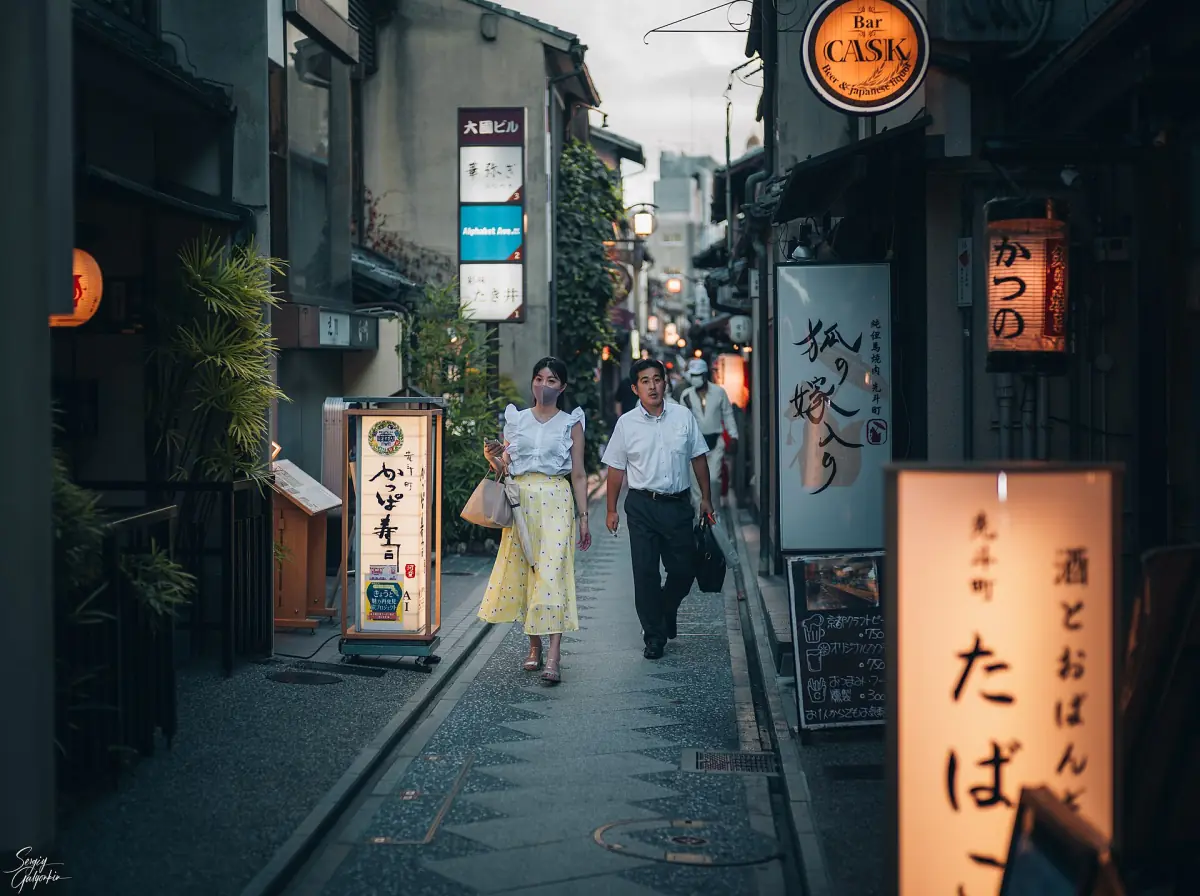
Pontocho is a separate hanamachi on the western side of the Kamo River. Its narrow north-south street runs from south of Sanjo to Shijo for approximately 500 metres. Gion lies east of the river, so a visit to both involves moving between neighbouring districts rather than following a single street within Gion. That distinction helps when choosing a meeting point, deciding where to eat and reading a walking-tour route.
Use the river and the ends of the street to orient yourself before entering the lane. A simple plan is to enjoy the streetscape, stop for a meal suited to your preferences, and give Gion its own place in the outing. The Hanamikoji guide explains the eastern streets, while the Gion food guide compares guided eating experiences.
A distinct hanamachi history
The local association traces the first teahouses to around 1712 and official permission for the geisha profession to 1859. These dates describe stages of Pontocho’s own development. They should not be used as a founding date for all of Gion or as the age of every building along the lane. The historical identity is part of understanding the street, alongside the everyday activity of its businesses.
Treat the area as a working district, with entrances that lead to individual premises and private spaces. A walk can introduce the setting, but a passing glimpse is different from attending a booked performance. For background on the neighbouring district’s architecture and cultural life, read Gion history. Keep the two histories connected through your visit while respecting their separate locations.
Food walk through Pontocho
This food walk includes Pontocho, dishes and drinks.
Hand-picked tours, booked through GetYourGuide. Prices are indicative starting prices in US dollars (as of October 2026). Tap a tour for live availability and the current price in your currency.
A food walk through Pontocho and Gion
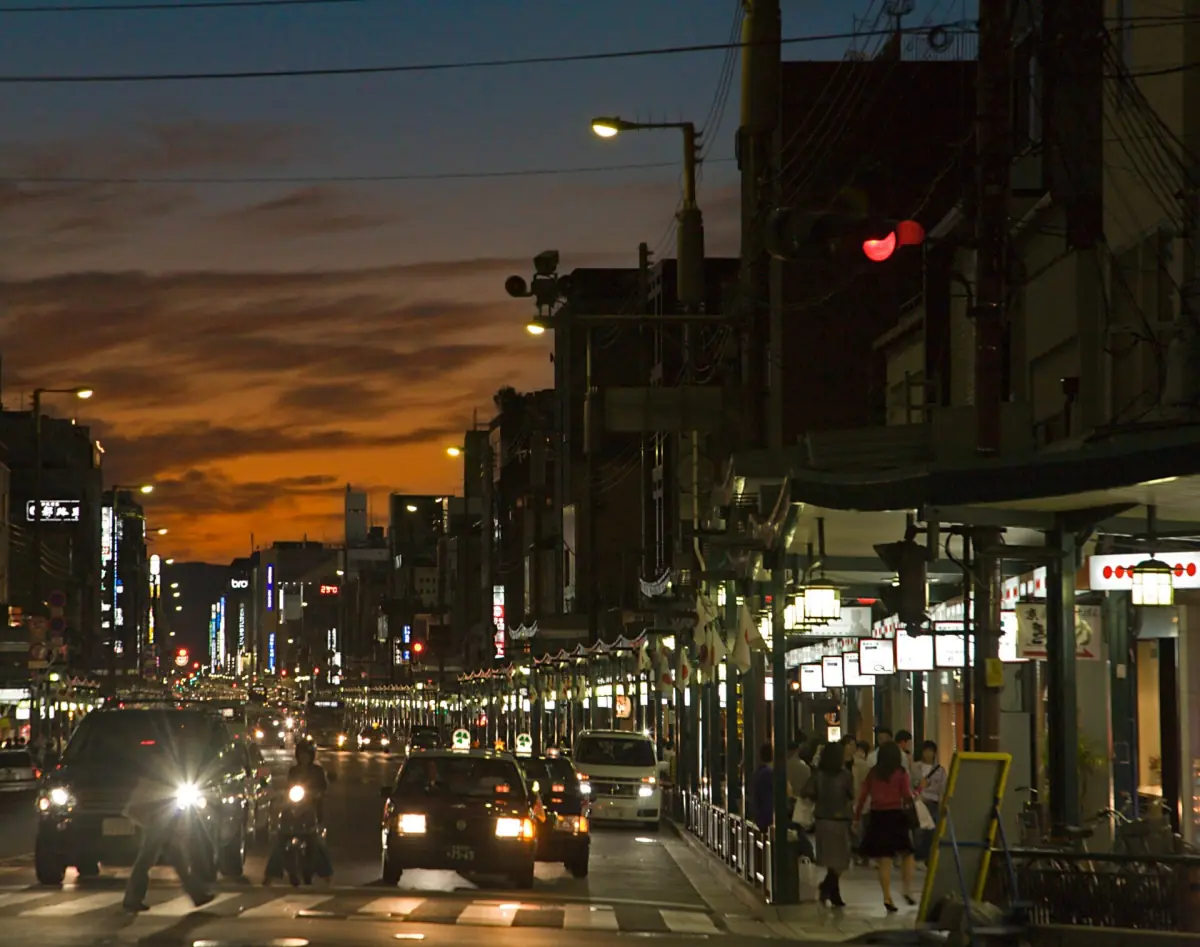
A local guide connects both districts with food at a restaurant and an izakaya, plus two drinks.
Food choices and the guided eating experience
The local business directory includes Japanese cuisine, sushi, soba and udon, yakitori, izakaya, obanzai, cafés and bars. These categories are a useful starting point for deciding what kind of meal you want. Look at an individual establishment’s menu and arrangements rather than assuming that every doorway offers the same style of food, the same opening hours or a table with a river view.
The guided Pontocho and Gion food walk includes a local guide, food at one restaurant and one izakaya, with up to 13 dishes, and two alcoholic or non-alcoholic drinks. Extra drinks cost more. Its meeting point is in Gionmachi Kitagawa 300, outside the convenience store specified in the booking. The route visits Pontocho and Gion, making it suitable for visitors who want an organised meal across both areas rather than selecting all the stops themselves.
Planning an evening around a meal
Decide whether your priority is a particular cuisine, a guided introduction or an independent walk followed by dinner. Those choices call for different arrangements. For an independent meal, contact the individual venue about availability, dietary needs and seating. For the food walk, read the included food and drinks as the scope of that experience. A directory category such as sushi or obanzai describes the district’s range, not a promise about the tour menu.
River terraces and restaurant places depend on the individual establishment. Make any desired seating part of your meal arrangements rather than building the whole evening around finding a particular seat on arrival. If the focus is the atmosphere of the streets after dark, the evening walking guide provides another way to choose an outing. Allow time to reach the correct starting point before a booked activity.
Station access and behaviour in the lane
Pontocho is about three minutes on foot from Keihan Gion-Shijo, five minutes from Keihan Sanjo and five minutes from Hankyu Kawaramachi, according to the local association. These approaches serve different ends and directions, so use the address of your actual destination when planning the final walk. For a journey from Kyoto Station towards Gion, the rail connection via Tofukuji and Gion-Shijo is explained in the access guide.
The city’s guidance dated 2 October 2026 asks visitors to keep routes clear, respect private property and avoid obstructive groups. Do not touch, follow or photograph geiko and maiko without permission. In a narrow street, step out of the flow only where doing so leaves entrances and passageways open. Put the camera away when it would inconvenience people working or moving through the district, and take your rubbish away.
Questions about your visit
Is Pontocho part of Gion?
Pontocho is a separate hanamachi west of the Kamo River. Gion is on the eastern side, and a walking route can connect the two.
What does the food walk include?
It includes a local guide, food at a restaurant and an izakaya with up to 13 dishes, and two drinks. Additional drinks are extra.
Can I count on a river terrace table?
Arrange seating with the individual establishment. Choose the restaurant for its menu and available seating rather than assuming every meal comes with a terrace table.