
Hanamikoji Street is a working street
Hanamikoji Street belongs to the living fabric of Gion in eastern Kyoto. Traditional wooden buildings make the streetscape distinctive, but daily movement continues between them. Vehicles use the road, and the city asks visitors not to walk down its centre. Begin with that practical detail: enjoy the facades from the side, pause where you leave space, and let people reach their homes and businesses.
This walk works well as an architectural introduction rather than a search for people in traditional dress. Geiko are performing artists, and maiko are trainees. Their work is part of Gion culture, while rented kimono are a separate visitor experience. For a broader introduction, read Gion history or choose among guided cultural walks.
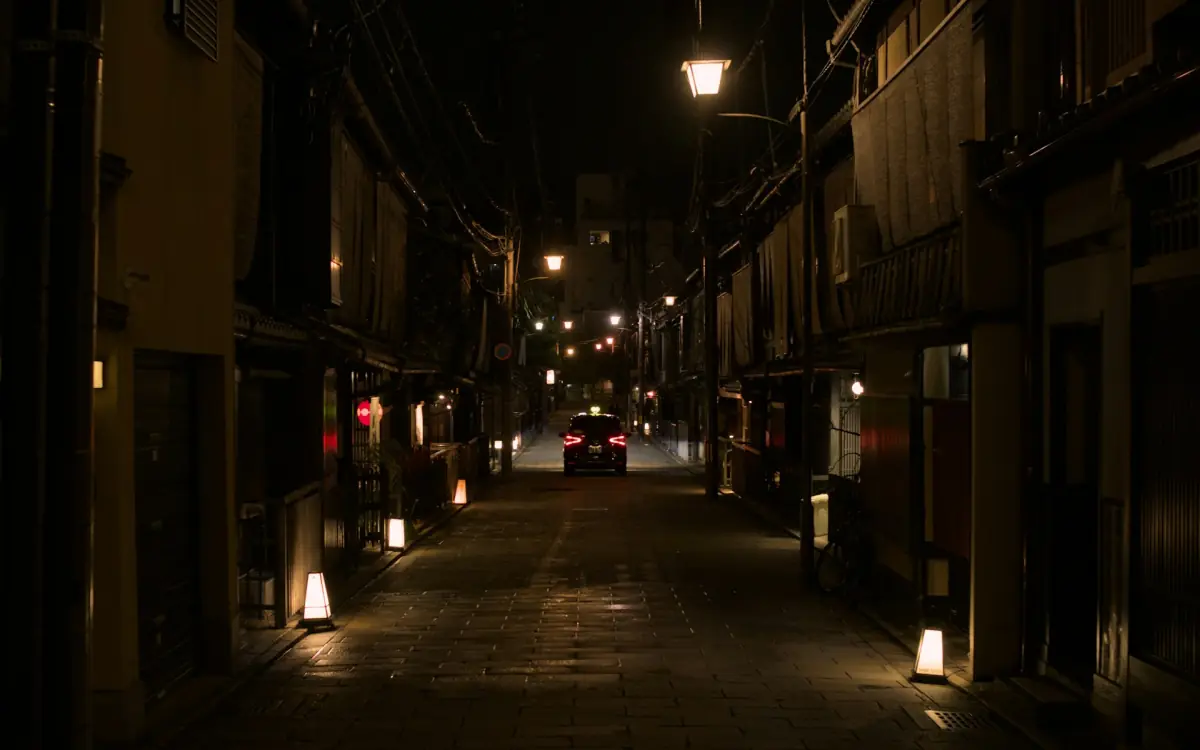
Gion Shirakawa and the Shinbashi streetscape
Gion Shirakawa adds water and trees to the wooden townscape. Around Shinbashi, stone paving, lattice fronts and teahouse buildings form an ensemble rather than a collection of isolated photo stops. Some facades address the street; others are rear fronts facing the canal. Look at those different orientations before moving on. They help explain why this stretch feels different from a straight view along Hanamikoji.
The municipal conservation plan published on 12 March 2021 traces the development of the Shinbashi subdistrict as a teahouse area to 1712. That date concerns this part of the district. Use it to understand the local streetscape, alongside the late Edo and early Meiji machiya forms described in the plan, rather than applying it to all of Gion.
Hanamikoji and maiko
The combined walking option includes Hanamikoji and a maiko meeting.
Hand-picked tours, booked through GetYourGuide. Prices are indicative starting prices in US dollars (as of October 2026). Tap a tour for live availability and the current price in your currency.
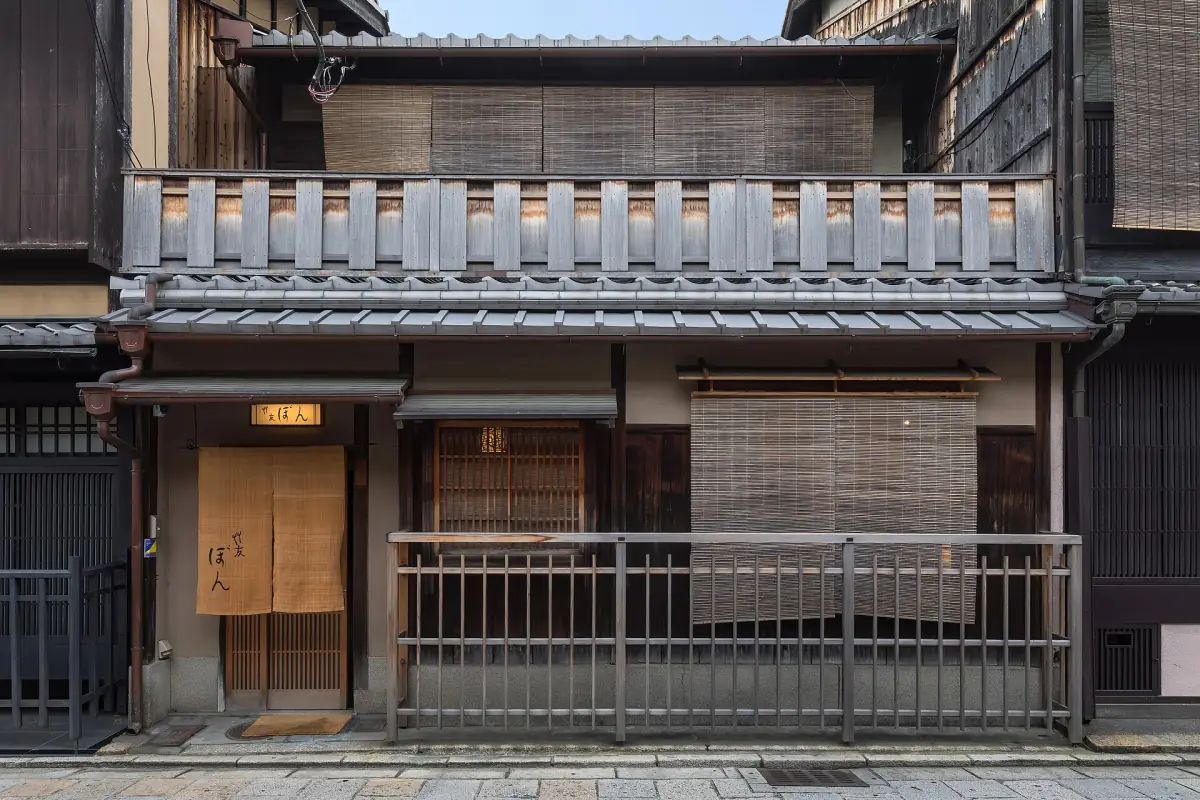
Hanamikoji walk with a booked maiko performance
Choose the combined walking and show option for Shirakawa, Hanamikoji and Kennin-ji, followed by an organised cultural encounter.
Architecture from permitted viewpoints
Latticework changes how a facade relates to the street, while upper storeys and the line of the roofs bring continuity to adjoining wooden buildings. The Shinbashi conservation description includes two-storey teahouse forms, paving and trees together with the water. Observe that whole setting from the public route instead of seeking a courtyard or doorway viewpoint.
At Tatsumi Shrine and around Shinbashi, the local association asks for respectful behaviour, clear walking and driving routes, and distance from private houses, fences and lanterns. A small shrine is still a religious space. Set the camera aside if stopping would block someone, and leave gates, steps and fences to their everyday use.
Combine a walk with an arranged performance
The combined walking tour and maiko show option includes the street walk through Shirakawa, Hanamikoji and Kennin-ji. Its booked programme includes a local guide, a performance by a maiko and former geiko, conversation, questions and a photo session with a maiko. Choose the combined option for the street element; the show-only option has a different format.
Meeting arrangements depend on the selected option, and socks are required at the venue. Keep the meeting instructions with your reservation. The performance and photo session create an organised setting for cultural exchange, while the walk explains the surroundings. For other formats and the separate cultural venues, use the guide to shows in Gion.
Photography and private entrances
The city guidance dated 2 October 2026 asks visitors not to touch, follow or photograph geiko and maiko without permission, enter private property or block traffic. Apply those principles throughout the walk. A compelling street view does not require waiting at a private doorway or following someone to their next engagement.
Commercial photography, including pre-wedding photography, in the Tatsumi and Shinbashi area requires advance permission from the landscape committee. Tour participation does not provide permission to enter private lanes or take otherwise restricted photographs. Read signs as you reach each place, and choose a different viewpoint whenever the available space or local instructions call for it.
Arriving and connecting the streets
Gion-Shijo is a useful arrival station for the district. From Kyoto Station, take the JR Nara Line to Tofukuji and transfer to Keihan for Gion-Shijo. The arrival guide separates this rail journey from local buses and the final walk. Avoid treating a station arrival time as the meeting time for a booked activity.
For a fuller outing, add Yasaka Shrine or a daytime Kennin-ji visit, with their individual hours and rules. Keep your street route flexible enough to use permitted public paths, move around traffic and leave room for residents. The point is to understand the district, not complete every lane.
Questions about your visit
Is Hanamikoji pedestrian-only?
Traffic uses Hanamikoji. Walk at the side and keep the centre and junctions clear, including when taking photographs.
Does the show-only option include the street walk?
The street walk belongs to the combined walking and show option. Select that format for the Shirakawa, Hanamikoji and Kennin-ji route.
Can I arrange commercial pictures at Shinbashi?
Commercial photography, including pre-wedding sessions, requires advance permission from the landscape committee. Respect local instructions and private entrances.