
Choosing a Gion walking tour
A Gion walking tour helps you read a working neighbourhood rather than simply pass through its streets. Gion developed by Yasaka Shrine in eastern Kyoto, and its traditional houses share the area with shops, restaurants and the living culture of geiko and maiko. A guide can connect those subjects while keeping the visit on appropriate routes. Choose the walk for its cultural focus, language and starting point.
The options here include an evening introduction, a district walk with historical explanations and a guided route available in English or Spanish. If your interest is a temple's art or a dedicated private evening route, compare the private tours instead. For an independent outline of the places you may want to visit, start with Gion's sights.
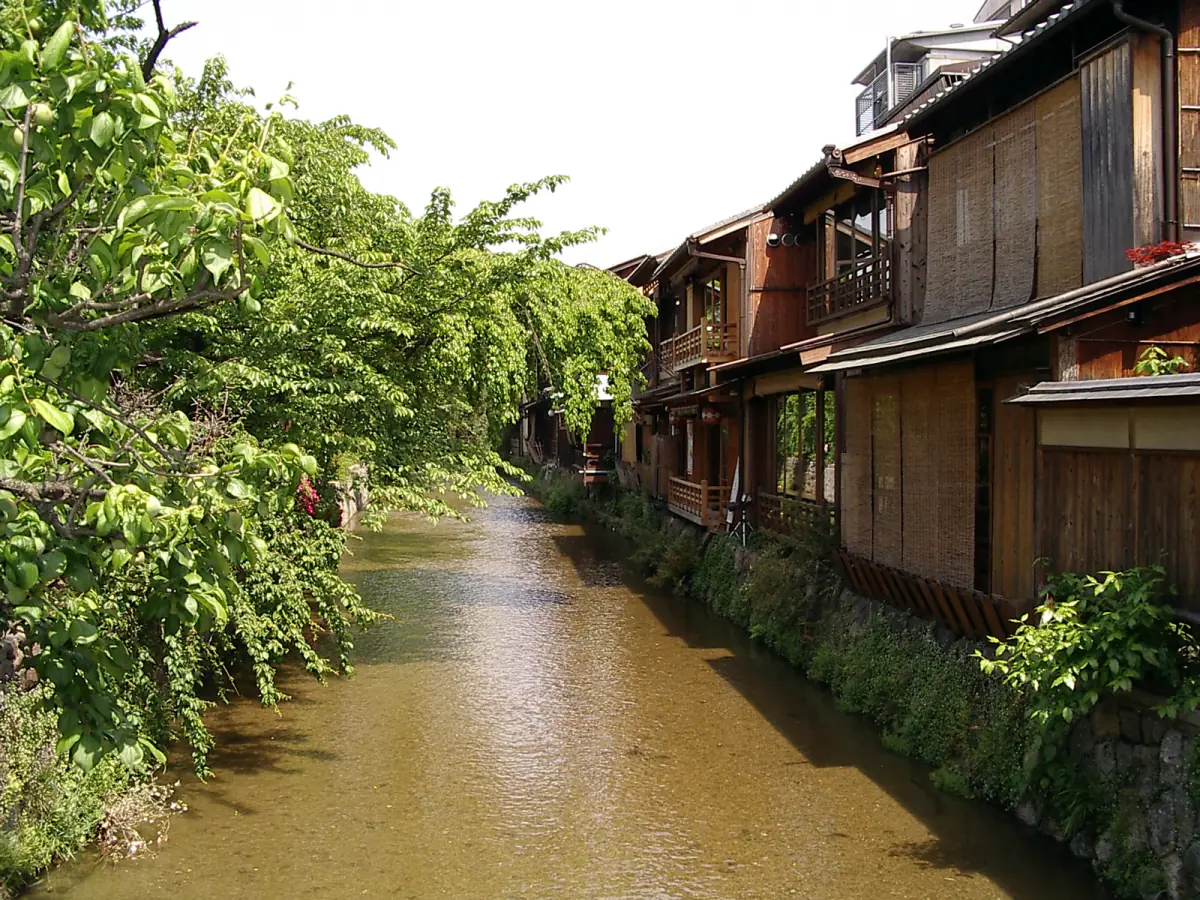
Gion walks
Choose an evening walk with photography or a local guide to explore the district’s culture.
Hand-picked tours, booked through GetYourGuide. Prices are indicative starting prices in US dollars (as of October 2026). Tap a tour for live availability and the current price in your currency.
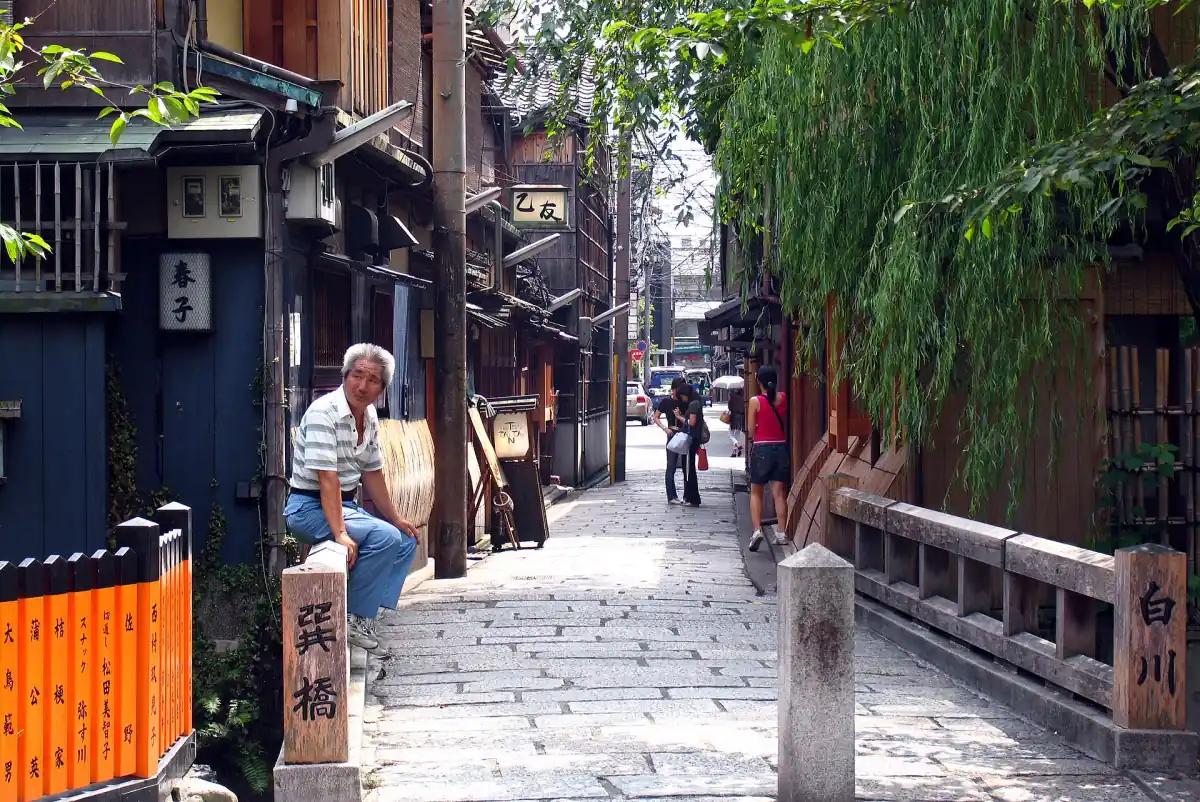
Gion evening walk
- Guide
- Photography service
Arrive at the booked meeting point before the start.
Check availability →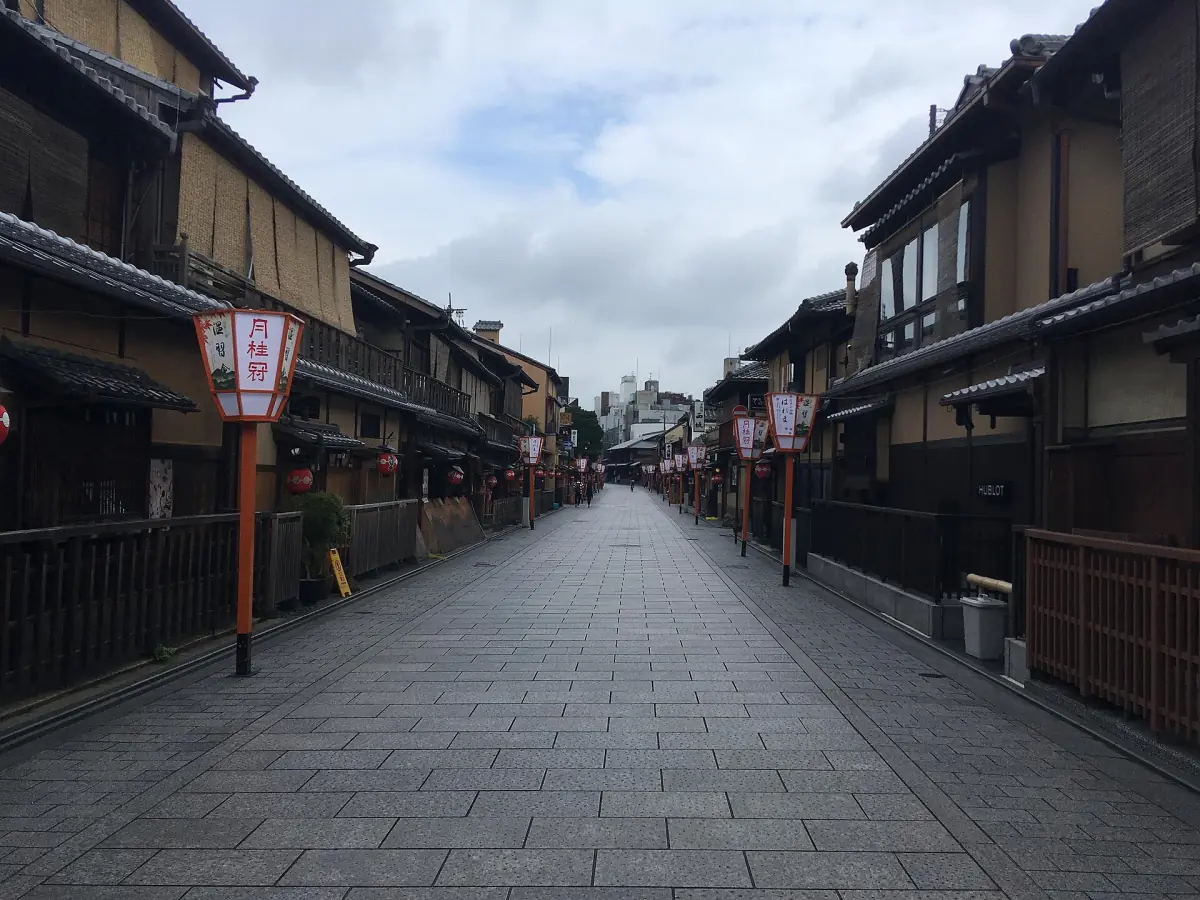
Gion culture walk
- History of Gion
- Help taking photos
Geiko or maiko sightings are possible, not guaranteed. Arrive ten minutes early.
Check availability →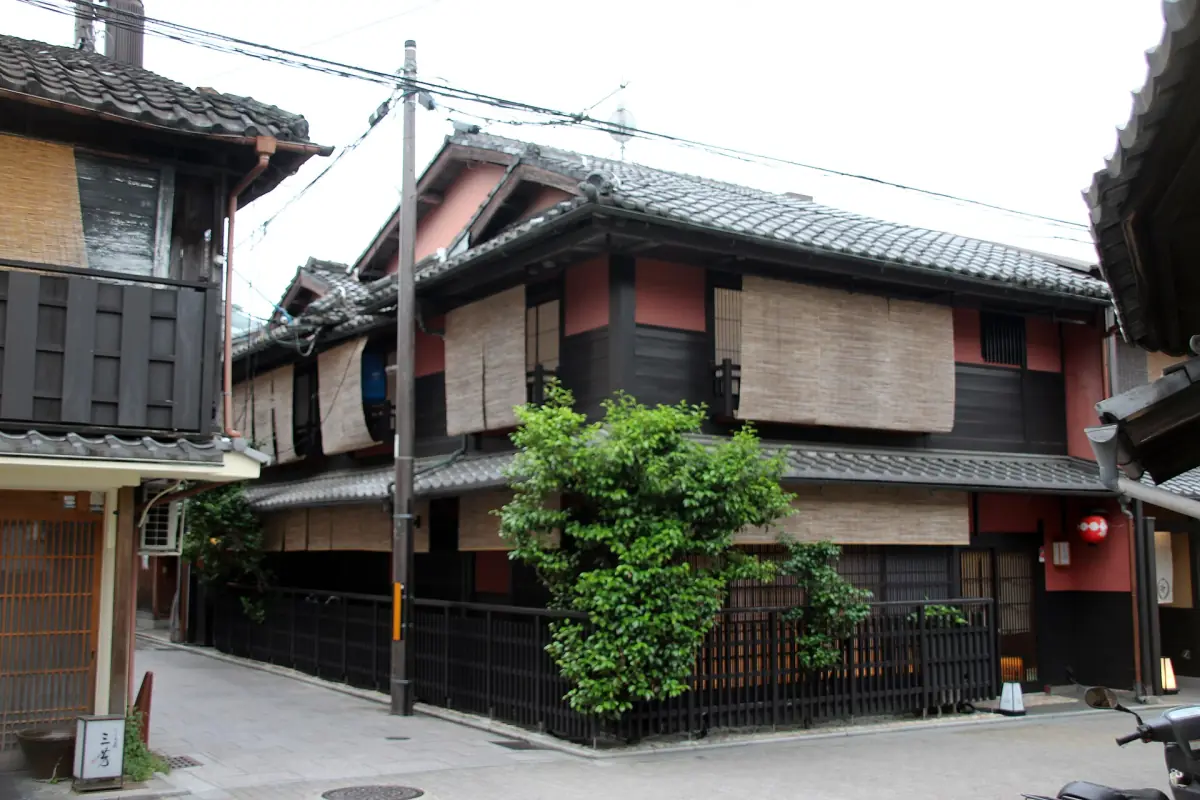
Gion with a local guide
- English- or Spanish-speaking guide
The guide speaks English or Spanish; group and private options are available.
Check availability →Guided walks through Gion
Compare the evening walk with photography, the cultural district introduction and the walk with an English or Spanish guide.
Gion tours and their meeting points
The evening cultural walk starts at the Minamiza Theatre and lasts about 100 minutes. A guide and photography service are included. Its small-group format suits visitors who want an introduction to the streets after daylight and help recording their own visit. The photography service still operates within local rules; geiko and maiko going about their work deserve space and permission remains essential for their photographs.
The two-hour district introduction begins at Benzaitencho 34 in Higashiyama, with arrival ten minutes before the start. It covers Gion's history and geisha culture, with guidance on photo opportunities and help taking pictures. The programme includes Kennin-ji and Hokan-ji as route subjects. Hotel pickup and drop-off are excluded, so organise your journey to the address as part of the visit.
The English or Spanish guided walk lasts two hours and meets at the Shijo Ohashi location at Hashimotocho 105-1. The guide is the included service, and the programme covers Shirakawa, Yasaka, Ninenzaka and Hanamikoji. Group and private options are available for this walk. Select the actual guide language you need; the language of this website is separate from the language of the experience.
A guided neighbourhood visit
A useful way to choose is to match the subject to what you want to understand. Hanamikoji and Shirakawa suit an interest in the townscape, while the history page adds background on tea houses and the development of Shinbashi. A guide-led introduction can tie these elements together without requiring you to assemble a series of unrelated stops.
Keep transport to the meeting point separate from the time spent walking. Gion-Shijo is the local Keihan station, and Kyoto-Kawaramachi gives access from the other side of the river. The arrival guide describes the routes from Kyoto Station. Put the booked starting address into your plan rather than assuming every Gion tour gathers at the station or at Yasaka Shrine.
Culture and conduct on the route
Geiko are artists practising traditional performing arts and entertainment; maiko are training to become geiko. A person wearing a rented kimono should not be identified as either. Learning this distinction gives the walk more substance and helps avoid treating ordinary passers-by as part of an attraction. For an agreed performance and conversation, use the booked cultural shows guide.
The city's guidance dated 2 October 2026 asks visitors not to follow, touch or photograph geiko and maiko without permission. Stay out of private property, leave routes clear and do not gather in the middle of Hanamikoji, which carries traffic. Around Tatsumi and Shinbashi, commercial photography needs advance permission from the landscape committee. Following a guide does not replace the rules of the place you are visiting.
Walking, a show or a tea experience?
Choose the street walk when your main question is how Gion fits together. A dedicated performance belongs to a reserved venue and has its own programme; the walking options here are cultural introductions rather than a promised encounter with an artist. The evening guide helps distinguish the atmosphere of a night walk from a booked show.
If you would rather take part in an activity than keep walking, the tea and kimono page compares the relevant experiences. Food tours are another distinct format, with dishes and drinks specified by the product. Building your visit around one clear priority leaves room to enjoy the neighbourhood without rushing between several appointments.
Questions about your visit
How long are these walks?
The evening walk lasts about 100 minutes. The district introduction and the English or Spanish guided walk each last two hours.
Will a walking tour include meeting a geiko?
These walks explain geiko and maiko culture. A scheduled meeting or performance belongs to a specifically booked cultural programme.
Where should I arrive?
Use the meeting point for your chosen experience: Minamiza, Benzaitencho 34 or the Shijo Ohashi location at Hashimotocho 105-1. Allow time to reach the address independently.