
Exploring Gion at night
Gion at night is a neighbourhood visit rather than a search for performers. The district developed beside Yasaka Shrine in eastern Kyoto, and its traditional street fronts sit alongside working businesses, homes and traffic. A guided evening walk can explain the relationship between the architecture, entertainment culture and everyday street life. Decide whether you want a shared introduction or an evening reserved for your own party before comparing the individual routes.
A street walk and a booked cultural performance offer different experiences. On a walk, you learn about geiko, the traditional performing artists of Kyoto, and maiko, who are in training. A scheduled meeting or stage programme belongs to a separately booked activity. For that kind of evening, use the Gion show guide; for a wider choice of daytime routes, see Gion walking tours.
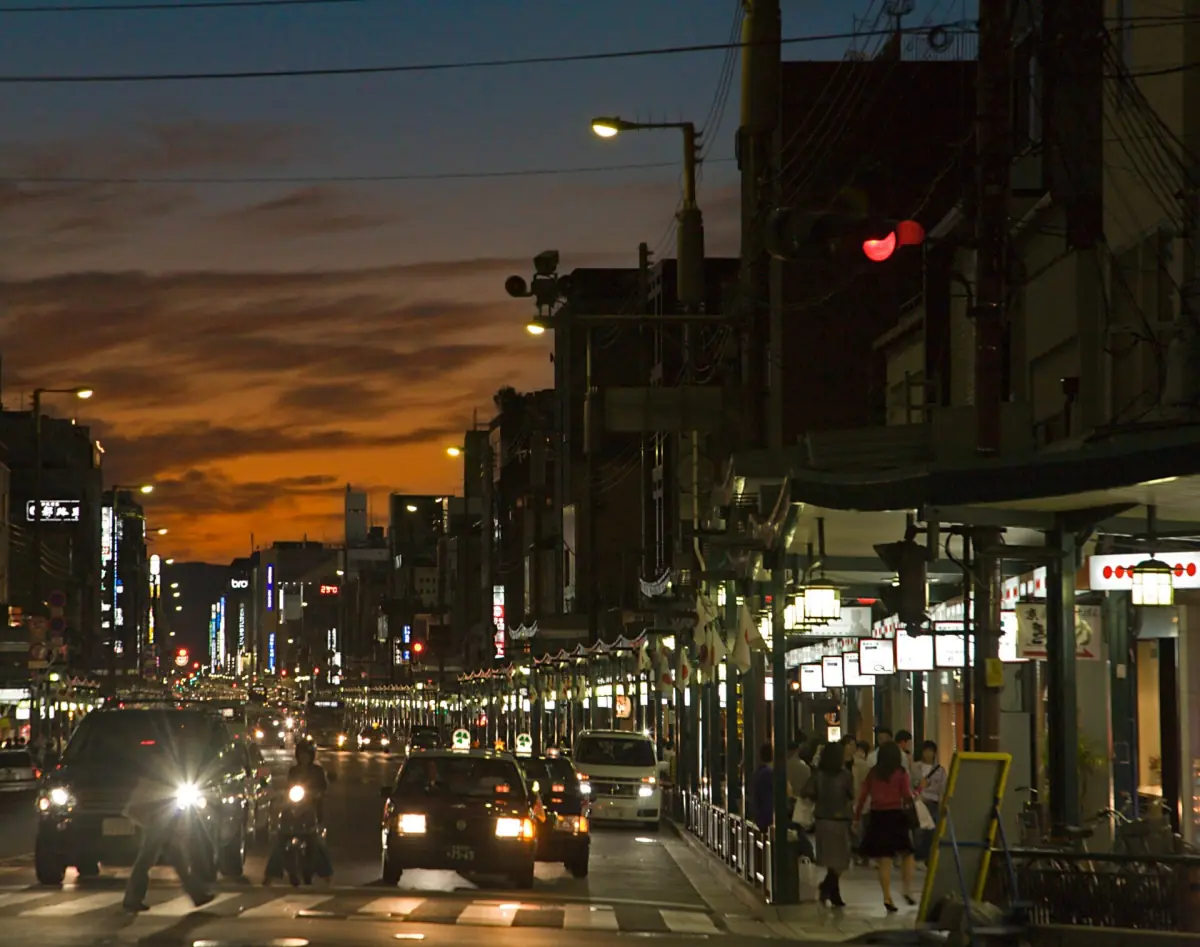
Evening walks
Choose a private English-language walk, a walk with a snack or a group tour with photos.
Hand-picked tours, booked through GetYourGuide and Viator. Prices are indicative starting prices in US dollars (as of October 2026). Tap a tour for live availability and the current price in your currency.
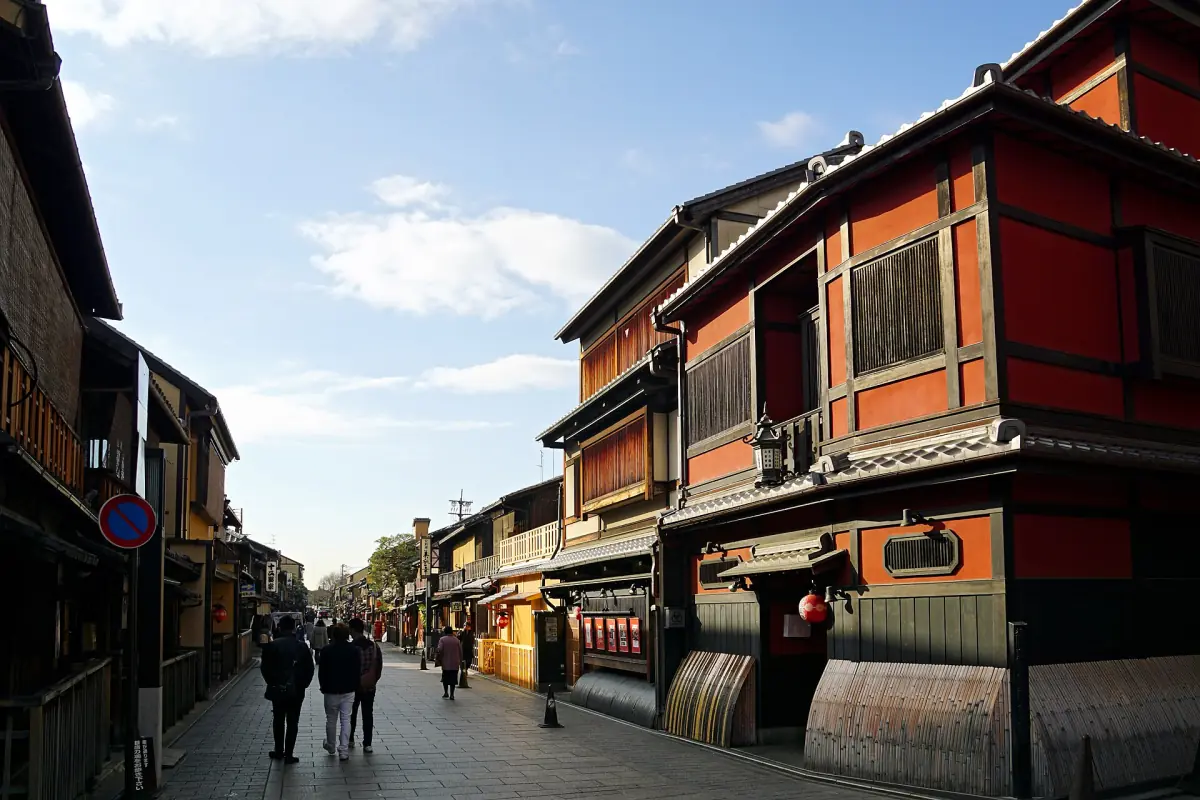
Gion culture walk
- Walking tour
- Kyoto snack
The walk is in English; the meeting instructions request WhatsApp for contact.
Check availability →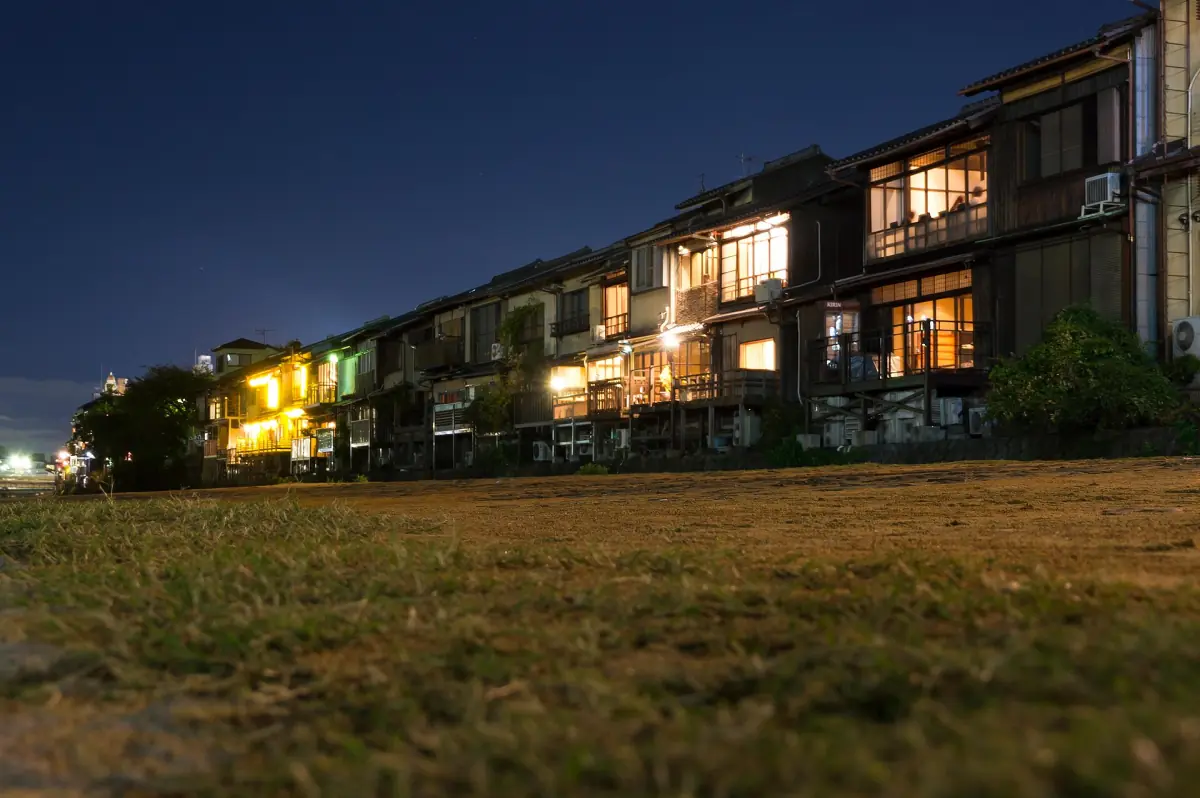
Evening walk with English guide
- English-speaking tour guide
- Photos during the tour
The matcha dessert and drink depend on the option; a snack is for Premium Group or Private Tour only.
Check availability →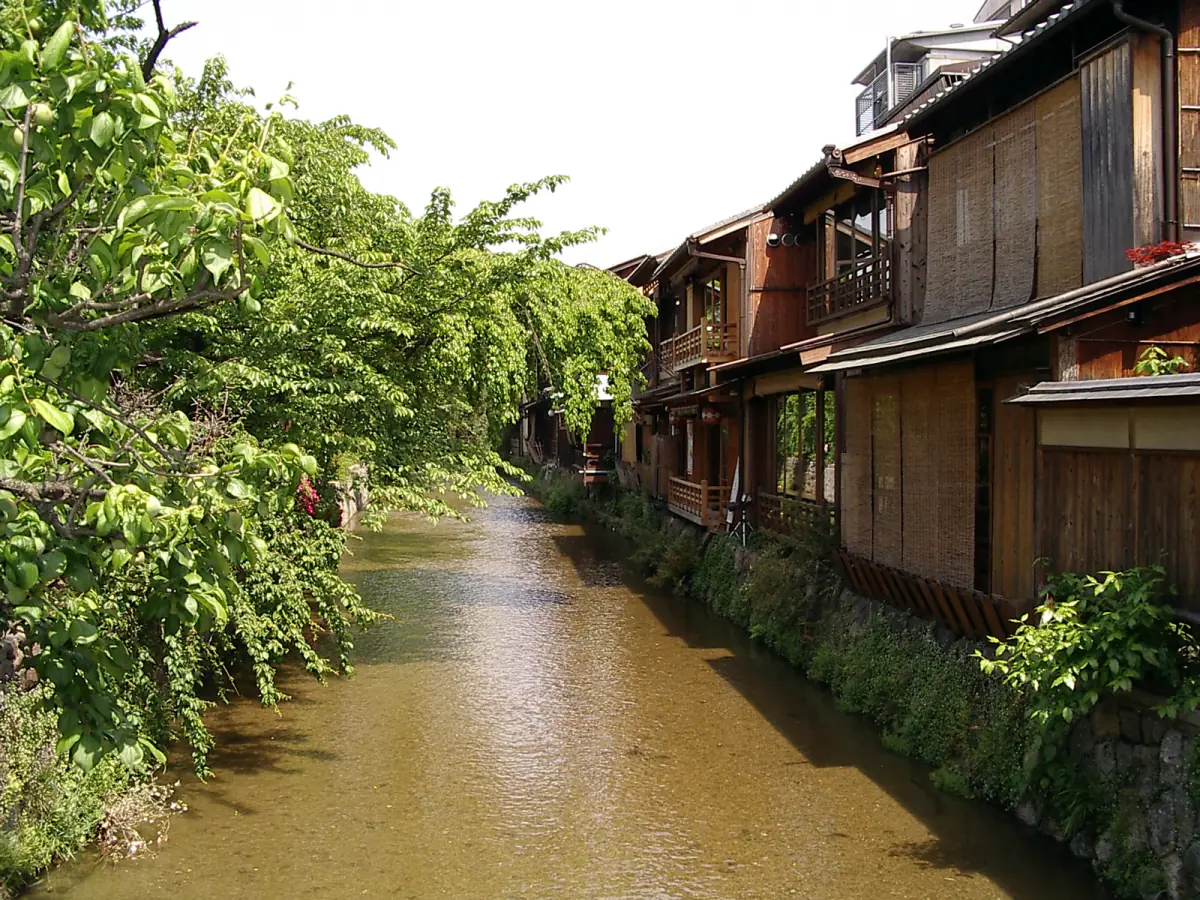
Private Gion night walk
- Hanamikoji Street
- Introduction to geisha culture
The private English-language tour is priced per person; geiko and maiko sightings are not guaranteed.
Check availability →Evening walks through Gion
Choose a group walk with photos, a cultural walk with a Kyoto snack or a private introduction to Gion after sunset.
Group walks, photographs and a Kyoto snack
The group night walk meeting at the Kyoto Kawaramachi Garden corner includes an English-speaking guide, a walking tour and photos during the tour. Look for the large black world map at the meeting point. A matcha dessert with a choice of matcha, green tea or coffee belongs to the selected dessert option. The snack is reserved for the Premium Group and Private Tour options, so choose by the actual inclusions rather than treating every version as the same evening.
The cultural walk meeting in front of the Disney Store includes a guide speaking English, a walking tour and a Kyoto snack during a short break. This is a useful distinction if you want a pause with something to eat while the main purpose remains cultural explanation. Keep the meeting instructions available on your phone and use the address attached to your reservation, rather than heading to a different tour’s landmark.
A private evening in the historic district
The private night walk starts at Minamiza Theatre and includes an English-speaking guide. Its programme introduces geisha culture, Hanamikoji and traditional wooden buildings, a matchmaking shrine, a historic shrine and a view of an illuminated Buddhist pagoda. These shrine descriptions identify parts of that particular route; they are not a reason to add named temples or distant destinations to your plans.
Food and drinks are extra on this private walk. Choose it when the guided cultural route is the main event of your evening, and arrange dinner separately. The description of hidden pathways should be read with local signs and property boundaries in mind. Joining a tour does not provide permission to enter private lanes or photograph people. More comparisons are on the private tours page.
Sunset and the changing evening streets
Sunset is a time of day to consider when shaping an evening, rather than a separate ticket category here. Leave room between any afternoon visit, your meal and the meeting time shown on your booking. Do not build the evening around a fixed sunset minute or assume that a photograph of an illuminated building establishes access to its interior. Street views and admission to cultural venues are separate decisions.
Along Hanamikoji and Shirakawa, look at the wooden façades, latticework and relationship between buildings and water. Hanamikoji carries traffic, so keep to the side rather than standing in the road for a photograph. Pontocho lies west of the Kamo River and is a separate entertainment district. If dinner is central to your Gion night, compare the food experiences rather than adding a restaurant stop to a walk that does not include one.
Respectful photographs and the journey home
Kyoto’s visitor guidance dated 2 October 2026 says not to touch, follow or photograph geiko and maiko without permission, and not to enter private property. Give residents and other pedestrians room to pass. Around Tatsumi and Shinbashi, commercial photography, including pre-wedding photography, requires advance permission from the landscape committee. A guide’s presence is not a substitute for that permission.
Plan the return journey separately from the walk. Gion-Shijo is a local railway access point, while different products meet on different sides of the river. Save your accommodation address and consult the timetable for the day you travel. Use the Gion transport guide for the local rail and bus choices, leaving enough room to reach your meeting place without rushing through narrow streets.
Questions before booking
Does an evening walk include a geiko or maiko meeting?
The walks explain the culture of the district. Choose a booked performance or meeting if you want that to be part of your programme; a street encounter is not a promised tour activity.
Which evening walk is private?
The Minamiza departure is a private walking tour with an English-speaking guide. Food and drinks are extra.
Can I photograph people during the walk?
Ask permission before photographing geiko or maiko. Respect private property, posted signs and the needs of people using the street, even when your tour includes a photography service.