
Choosing the best time to visit Gion
The best time to visit Gion is a choice between the season you want to see and the way you prefer to spend your day. Kyoto describes spring and autumn as pleasant sightseeing periods, summer as hot and humid, and winter as cool. Use those broad differences to shape your plans. A street walk, a shrine visit and an indoor tea activity each ask for a different balance of outdoor time.
Start with your main interest rather than choosing a date solely for a photograph. If blossom or leaves matter most, keep some flexibility within the day. If tea, kimono or traditional performance is your priority, organise the cultural activity first and fit a walk around it. The Gion sights guide helps you connect the places without turning seasonal planning into a long list of disconnected stops.
Spring and cherry blossom
April is an important blossom month in the city seasonal guide. Blossom varies with the type of tree and its setting, so treat this as a seasonal reference when selecting dates. Avoid building an entire programme around an exact future peak. Choose streets and cultural visits that interest you in their own right, so that a changing blossom stage does not determine the value of your day.
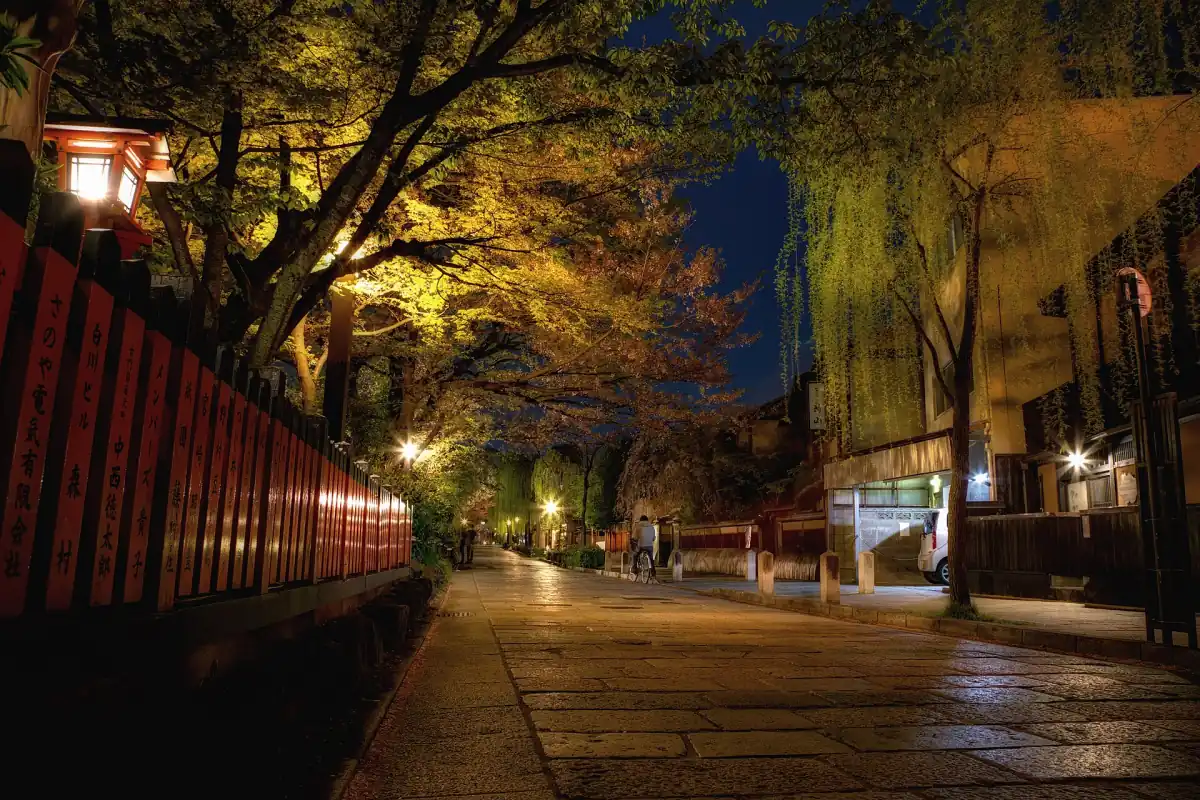
Hanamikoji and the Shirakawa townscape offer different surroundings for a spring walk. The street guide explains their character and visiting rules. Keep routes open, respect private entrances and ask permission before photographing geiko or maiko. Those expectations still apply when people stop for seasonal views. Allow time to walk thoughtfully rather than trying to reach every photo location in a fixed sequence.
Tea indoors
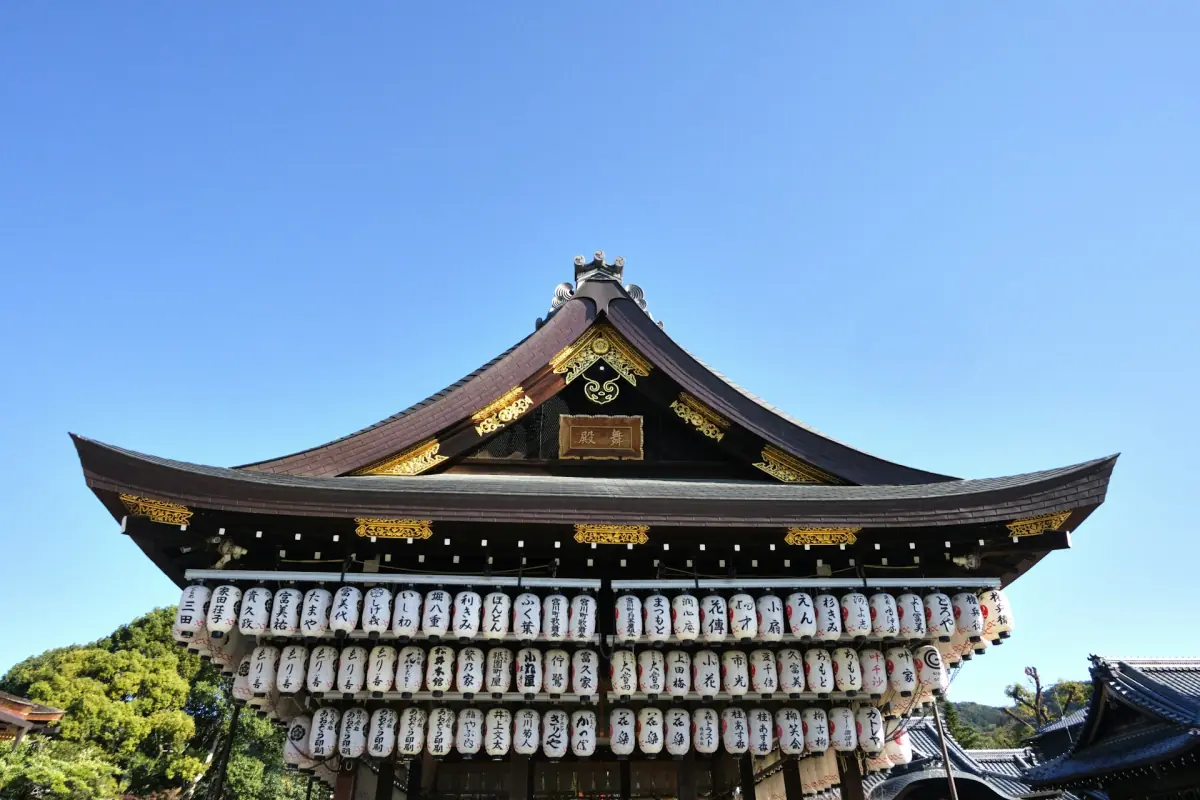
Enjoy tea and kimono indoors in a traditional townhouse.
Hand-picked tours, booked through GetYourGuide. Prices are indicative starting prices in US dollars (as of October 2026). Tap a tour for live availability and the current price in your currency.
Tea and kimono between seasonal walks
Spend time inside a traditional townhouse with a tea ceremony, kimono rental and hair styling, then plan your street walk separately.
Weather and Kyoto monthly climate normals
The table uses Japan Meteorological Agency data for Kyoto, with the normal period 1991 to 2020, accessed on 3 November 2026. It describes Kyoto station climate, rather than measurements from a weather station in Gion. Maximum and minimum mean the monthly averages of daily high and low temperatures. Rainfall is the mean monthly precipitation total. These long-term values help compare seasons when choosing what to pack and how much outdoor walking to plan.
They are historical normals rather than readings for 2026 or a forecast for your visit. Read the maximum and minimum columns together when planning daytime and evening clothing. Read the rainfall column as a monthly climate reference rather than the amount expected during your stay. For your actual walking day, use the current forecast and adjust your sequence of outdoor and indoor activities accordingly.
| Month | Mean daily maximum °C | Mean daily minimum °C | Mean monthly precipitation mm |
|---|---|---|---|
| January | 9.1 | 1.5 | 53.3 |
| February | 10.0 | 1.6 | 65.1 |
| March | 14.1 | 4.3 | 106.2 |
| April | 20.1 | 9.2 | 117.0 |
| May | 25.1 | 14.5 | 151.4 |
| June | 28.1 | 19.2 | 199.7 |
| July | 32.0 | 23.6 | 223.6 |
| August | 33.7 | 24.7 | 153.8 |
| September | 29.2 | 20.7 | 178.5 |
| October | 23.4 | 14.4 | 143.2 |
| November | 17.3 | 8.4 | 73.9 |
| December | 11.6 | 3.5 | 57.3 |
Rainy season and summer heat
The city places the tsuyu rainy season roughly from early June to mid-July. Summer is hot and humid, and the JMA normal table gives August a mean daily maximum of 33.7 °C. Plan shorter outdoor sections if long street walks in that climate would be uncomfortable for you. Keep a tea activity as a distinct part of the day rather than expecting the whole programme to take place outdoors.
The indoor kimono and tea experience offered here includes a tea ceremony in a traditional townhouse, kimono rental, a hair set with accessories and staff guidance. Wearing the kimono outside costs an additional 1,000 JPY under this product’s terms. Choose it for the activity itself in any season; arrange your surrounding walk according to the actual weather. The tea and kimono page explains the options in more detail.
Autumn leaves and festival interests
November brings cooling weather and autumn colour in the city seasonal description. Use the season as a reason to leave room for a walk, while treating the colour at an individual location as something to assess near your visit. Follow the current seasonal calendar when choosing your leaf-viewing walk. Combine the outdoor part with places you would like to visit regardless of the foliage.
If Gion Matsuri is the reason for travelling, plan around the festival calendar rather than autumn scenery. The confirmed 2026 festival ran from 1 to 31 July; the float processions took place on 17 and 24 July in central streets. These are historical dates for that year. The festival guide separates shrine rituals, processions and the planning needed for a future visit.
Winter programmes and practical timing
Winter calls for a different balance between cool outdoor walks and time indoors. Gion Corner has a regular winter pattern from 1 December to 11 March with performances on Tuesday to Friday, excluding designated public days off. Its listed closures also include 26 December to 4 January, 11 February and 23 February. Consult the venue calendar for the day you intend to attend, and allow time to reach it after your walk.
Gion Corner is a separate theatre visit from the tea experience offered on this page. Use the performance guide for that programme and the arrival guide for local routes. Set the fixed-time activity first, then choose how much walking to place before it. This keeps your day centred on the experience you want in the season you have chosen.
Frequently asked questions
Which seasons are pleasant for walking?
Kyoto describes spring and autumn as pleasant sightseeing periods. Choose your day’s outdoor time according to the current weather.
Does the table predict the weather for my dates?
It shows JMA Kyoto normals for 1991 to 2020. It is useful for seasonal comparison; use a current forecast for your actual visit.
Can I plan a precise blossom or leaf peak for 2027?
Leave flexibility for the seasonal stage and choose visits you will enjoy alongside blossom or foliage. Follow the seasonal calendar near your travel dates.